The Phoenix office market offers opportunity through the metro's continued corporate relocation activity and population growth. Scottsdale and Tempe command premium office rents driven by tech and financial services tenants, while the Camelback Corridor and Downtown Phoenix present value-add repositioning plays. The market's suburban office parks in Chandler and Gilbert serve the growing East Valley employment base. Low operating costs and business-friendly policies continue to attract corporate tenants from higher-cost states.
Office Market Overview: Phoenix 2026
The Phoenix office market in 2026 reflects the metro's broader economic momentum, driven by semiconductor manufacturing, healthcare, financial services, technology, tourism. Key metrics for office investors:
- Office Vacancy: 16.5%
- Office Cap Rates: 7.00%-7.75%
- Metro Rent Growth: 4.0% year-over-year
- Job Growth: 2.8%
- Population Growth: 1.6%
- Median Asking Rent: $1,550
Office Subtypes in Phoenix
The Phoenix office market encompasses a range of property subtypes, each with distinct risk-return profiles and financing requirements:
- Class A Trophy Office
- Class B Value-Add Office
- Creative / Flex Office
- Medical & Dental Office
- Co-Working & Shared Space
- Owner-Occupied Office
- Government & GSA-Leased
- Suburban Office Campus
Each subtype has different lender appetite, underwriting criteria, and optimal financing structures. Understanding which subtypes perform best in Phoenix's specific market conditions is critical for investment success.
Key Investment Metrics
Office investors evaluating Phoenix should focus on these key performance indicators:
- Cap Rate Spread: Phoenix office cap rates at 7.00%-7.75% compare favorably to national averages, reflecting attractive yields for investors seeking current cash flow
- Rent Growth Trajectory: 4.0% annual rent growth supports both value-add and core investment strategies
- Supply Pipeline: New office construction activity should be evaluated relative to the market's absorption capacity
- Tenant Quality: The Phoenix metro's major employment sectors — semiconductor manufacturing, healthcare, financial services, technology, tourism — drive office tenant demand and creditworthiness
Financing Options for Office in Phoenix
Office properties in Phoenix can be financed through multiple capital sources, each with distinct advantages:
- Bank Permanent Loans
- Life Insurance Company Loans
- CMBS
- Bridge Loans
- SBA 504 / 7(a) (Owner-Occupied)
- Construction
The optimal financing structure depends on your business plan (core hold, value-add, or development), the property's current condition and occupancy, and your desired leverage and hold period. In the Phoenix market, lenders are most competitive for well-located assets with strong fundamentals and experienced sponsors.
Top Submarkets for Office Investment
The Phoenix-Mesa-Chandler metro features several distinct submarkets for office investment, each with unique characteristics:
- Scottsdale — offering distinct opportunities within the broader Phoenix office market
- Tempe — offering distinct opportunities within the broader Phoenix office market
- Chandler — offering distinct opportunities within the broader Phoenix office market
- Mesa — offering distinct opportunities within the broader Phoenix office market
- Gilbert — offering distinct opportunities within the broader Phoenix office market
- Glendale — offering distinct opportunities within the broader Phoenix office market
The most active investment corridors for office in Phoenix include Southeast Valley (Gilbert/Chandler), Deer Valley industrial corridor, Tempe multifamily, Scottsdale office. Submarket selection significantly impacts both returns and financing terms, as lenders evaluate location-specific metrics in their underwriting.
Investment Thesis: Office in Phoenix
The investment case for office in Phoenix rests on several structural factors:
- Economic Fundamentals: 2.8% job growth and 1.6% population growth create durable demand
- Market Pricing: Cap rates at 7.00%-7.75% offer attractive entry points relative to coastal gateway markets
- Financing Environment: The Phoenix market's depth and lender familiarity support competitive borrowing costs
- Growth Potential: 4.0% rent growth supports improving cash flows over the hold period
Phoenix has emerged as one of the premier semiconductor and advanced manufacturing corridors in the United States, anchored by TSMC's multi-fab campus in north Phoenix, Intel's longstanding Ocotillo manufacturing complex in Chandler, and a constellation of semiconductor supply-chain firms that have followed both companies into the East Valley. Mayo Clinic's Phoenix campus and the Banner Health system generate sustained medical office and life sciences demand, particularly in Scottsdale and the northern suburbs, while Arizona State University's sprawling Tempe presence, with enrollment exceeding 80,000 students across its campuses, underpins multifamily absorption throughout the Tempe and Mesa corridors. Industrial has been the headline story: the manufacturing and logistics concentration along the Loop 202 and Interstate 10 corridors has pulled institutional capital into Class A distribution and advanced manufacturing facilities at a pace that briefly outran even aggressive speculative pipelines. Multifamily has absorbed enormous supply additions because corporate relocations from California, driven partly by Arizona's flat 2.5 percent corporate income tax rate, keep bringing mid-to-senior-level workers into the metro faster than developers can deliver units. The office market is more bifurcated, with Scottsdale Airpark and Tempe Town Lake Class A product trading at a premium while suburban general office faces the same tenant-consolidation headwinds seen nationally. Underwriters are watching water rights and long-term Colorado River allocation constraints with growing seriousness, as any material restriction on development entitlements would fundamentally reshape the supply-side assumptions that underpin current land and multifamily valuations across the metro.
CLS CRE — Office Financing in Phoenix
CLS CRE specializes in office financing throughout the Phoenix-Mesa-Chandler metropolitan area. With access to 1,000+ lenders, we match your specific office investment with the right capital source at the most competitive terms available.
Related resources:
- Office Financing — National Overview
- Office Financing in Phoenix
- Bridge Loans in Phoenix
- Permanent Loans in Phoenix
- Construction Loans in Phoenix
- Phoenix Commercial Real Estate Market Report 2026
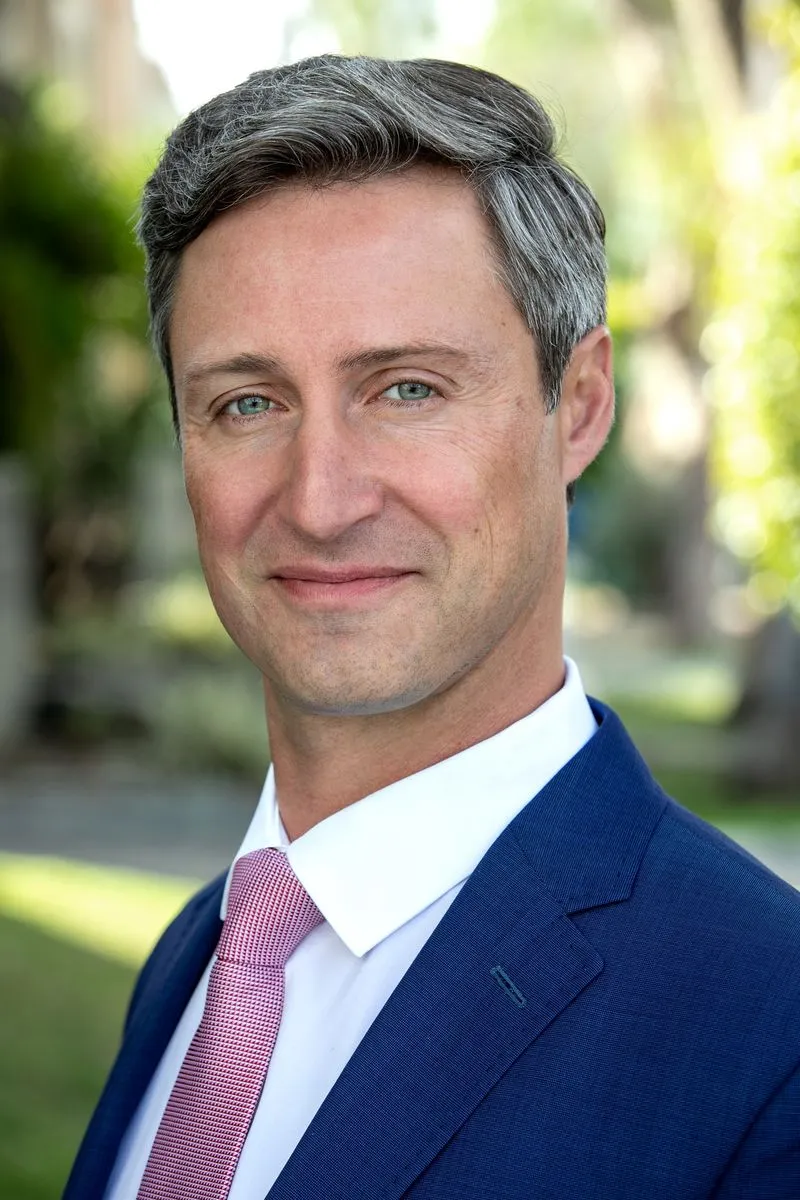
Trevor Damyan is a commercial mortgage broker at Commercial Lending Solutions with a background in structured finance at CBRE and Marcus and Millichap Capital Corporation. He specializes in bridge loans, construction financing, SBA programs, DSCR loans, and complex capital structures for investors and developers across all 50 states.
View full profile →