Phoenix has evolved from a pure growth-story market into a diversified, institutionally recognized metropolitan economy anchored by semiconductor manufacturing, healthcare, financial services, and technology. The TSMC fabrication facility investment in North Phoenix, combined with persistent migration from higher-cost California markets, has created a structural demand catalyst that is reshaping the commercial real estate landscape across the metro.
Phoenix Market Overview: Key Metrics
The Phoenix commercial real estate market in 2026 reflects a market shaped by semiconductor manufacturing, healthcare, financial services, technology, tourism. Here are the key metrics investors and borrowers should know:
- Multifamily Vacancy: 5.8% — near the national average with healthy absorption
- Industrial Vacancy: 6.2% — normalizing as speculative development is absorbed
- Office Vacancy: 16.5%
- Retail Vacancy: 5.3%
- Rent Growth: 4.0% year-over-year
- Job Growth: 2.8% — outpacing the national average
- Population Growth: 1.6% annually
- Median Asking Rent: $1,550
Multifamily Outlook in Phoenix
Phoenix multifamily fundamentals are among the strongest in the Sun Belt, with vacancy at 5.8% and rent growth running at 4.0% year-over-year. The Southeast Valley — Gilbert, Chandler, and Mesa — is experiencing outsized demand driven by TSMC and semiconductor supply chain employment. The supply pipeline has moderated from 2023-2024 peaks, setting up for tighter conditions and accelerating rent growth through the second half of 2026.
Industrial & Logistics Market
The Phoenix industrial market has experienced rapid transformation, with vacancy at 6.2% as the market absorbs a significant wave of speculative development. Advanced manufacturing, semiconductor supply chain, and e-commerce distribution are the primary demand drivers. The West Valley (Buckeye, Goodyear) and Loop 303 corridor are emerging as major industrial nodes, while the Deer Valley and Sky Harbor adjacent submarkets serve last-mile and air cargo-adjacent logistics.
Office & Retail Dynamics
Phoenix office performance varies significantly by submarket. Tempe Town Lake, Old Town Scottsdale, and the Camelback Corridor attract technology and financial services tenants willing to pay premium rents, while suburban commodity office faces elevated vacancy at 16.5%. Retail fundamentals are healthy at 5.3% vacancy, supported by population growth that continuously fills new shopping corridors along the expanding metro periphery.
Financing Landscape in Phoenix
Lender appetite for Phoenix commercial real estate is strong and growing. The market's institutional maturation has attracted life insurance company allocations that would have been directed to gateway cities a decade ago. Agency multifamily lending is highly competitive, with both DUS and small balance programs active. Arizona-based community banks and credit unions provide additional capital for transactions under $15 million.
For borrowers in the Phoenix-Mesa-Chandler area, current commercial mortgage rates range from 5.00% for agency multifamily to higher rates for transitional and value-add projects. Key factors that influence your rate include property type, leverage, sponsor experience, and asset location within the metro.
Top Submarkets to Watch
The Phoenix metro features several distinct submarkets that present unique investment opportunities:
- Scottsdale
- Tempe
- Chandler
- Mesa
- Gilbert
- Glendale
Each of these submarkets has distinct characteristics in terms of tenant demand, development activity, and pricing. The top investment corridors in Phoenix include Southeast Valley (Gilbert/Chandler), Deer Valley industrial corridor, Tempe multifamily, Scottsdale office.
Investment Outlook: Phoenix 2026
Phoenix is positioned for continued outperformance in 2026, driven by the semiconductor manufacturing boom, sustained in-migration, and moderating new supply across most property types. The strongest investment themes are Southeast Valley multifamily (TSMC employment demand), last-mile industrial near Sky Harbor, and well-located retail in high-growth suburban corridors. Investors should monitor water policy developments, which remain a long-term consideration for the market.
CLS CRE in Phoenix
CLS CRE provides commercial mortgage brokerage services throughout the Phoenix-Mesa-Chandler metropolitan area, with access to 1,000+ lenders including banks, life insurance companies, CMBS conduits, agency lenders, debt funds, and credit unions. Whether you're acquiring, refinancing, or developing commercial property in Phoenix, our market expertise and lender relationships help you secure the most competitive terms available.
Explore our financing programs for Phoenix:
- Bridge Loans in Phoenix
- Permanent Loans in Phoenix
- Construction Loans in Phoenix
- Multifamily Financing in Phoenix
- Industrial Financing in Phoenix
- Retail Financing in Phoenix
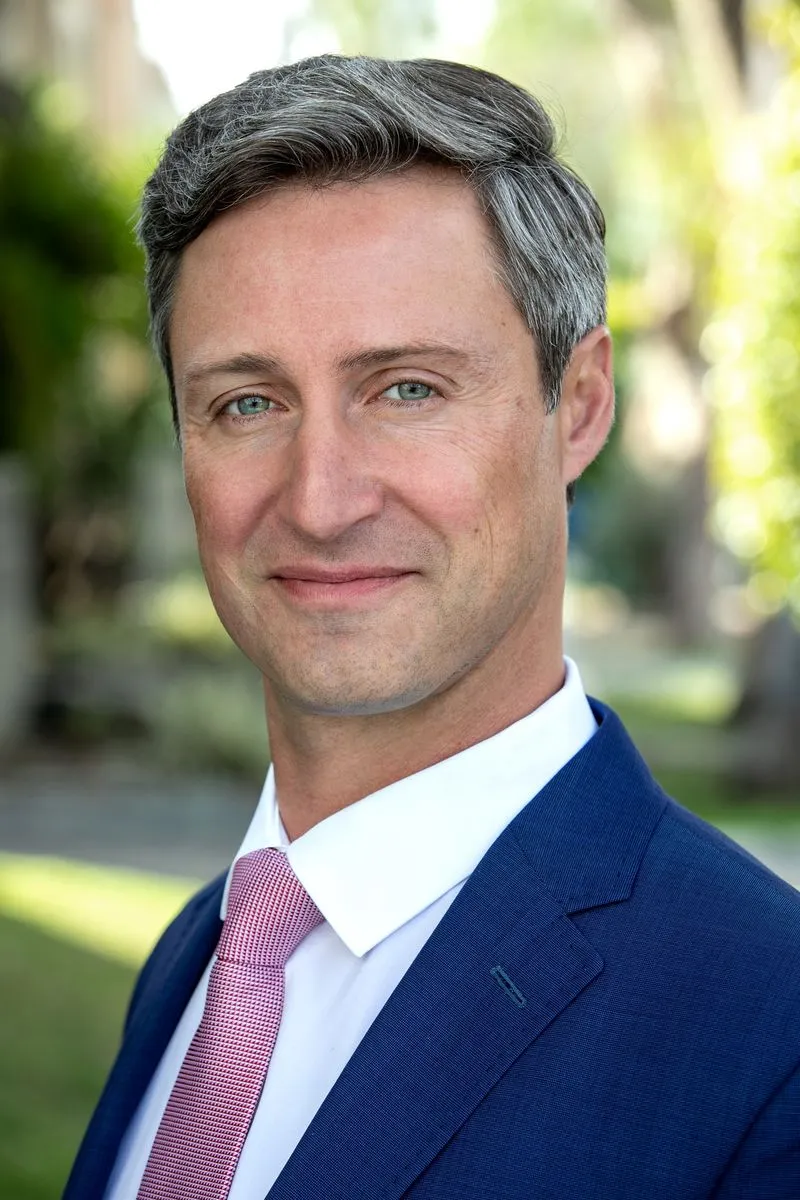
Trevor Damyan is a commercial mortgage broker at Commercial Lending Solutions with a background in structured finance at CBRE and Marcus and Millichap Capital Corporation. He specializes in bridge loans, construction financing, SBA programs, DSCR loans, and complex capital structures for investors and developers across all 50 states.
View full profile →