Construction lending in Phoenix benefits from the market's favorable development economics — lower land costs than coastal markets, a relatively streamlined entitlement process, and strong end-user demand. Ground-up multifamily in the Southeast Valley and build-to-suit industrial along the Loop 303 corridor are attracting construction capital from both regional and national lenders.
When to Use Construction Loans in Phoenix
Phoenix's commercial real estate market, driven by semiconductor manufacturing, healthcare, financial services, technology, tourism, creates specific scenarios where construction loans are the optimal financing choice:
- Ground-up apartment developments
- Industrial warehouse construction
- Build-to-suit retail and office
- Hotel development and rehabilitation
- Fix-and-flip residential projects
- Major property renovations and repositioning
In the Phoenix-Mesa-Chandler metro, construction loans are particularly relevant given the market's 4.0% rent growth and 2.8% job growth, which support development feasibility and absorption timelines.
Current Construction Loan Rates in Phoenix
As of 2026, construction loans in the Phoenix market are pricing at the following levels:
- Rate Range: 6.23% - 13.04%
- Loan Amount: $1M - $100M+
- Term: 12 - 36 Months
- Maximum LTC: Up to 85% LTC
- Recourse: Recourse Typical, Non-Recourse Available
Rates in Phoenix may vary from national averages based on local market conditions, property type, and sponsor experience. The Phoenix market's 5.00%-5.50% multifamily cap rates and 5.25%-5.75% industrial cap rates influence lender pricing as they underwrite to specific debt yield and coverage targets.
Qualification Requirements
Qualifying for construction loans in Phoenix requires demonstrating both borrower strength and property fundamentals. Key requirements include:
- Borrower Experience: Lenders evaluate your track record with similar assets in Phoenix or comparable markets
- Net Worth & Liquidity: Most lenders require net worth equal to the loan amount and 6-12 months of debt service in liquid reserves
- Property Performance: Detailed construction budget, timeline, and evidence of market demand for the finished product
- Market Position: Asset location within Phoenix's strongest submarkets, including Southeast Valley (Gilbert/Chandler), Deer Valley industrial corridor, Tempe multifamily, Scottsdale office
Capital Sources for Construction Loans in Phoenix
The Phoenix market offers access to a diverse set of capital sources for construction loans:
- Banks
- Debt Funds
- Private Lenders
- Credit Unions
- CDFI Lenders
Each capital source has distinct appetites for property types, leverage levels, and borrower profiles. Working with a commercial mortgage broker who maintains relationships across all these capital sources ensures you're seeing the most competitive terms available in Phoenix.
Exit Strategy Considerations
Construction loans in Phoenix are interim financing that must be replaced upon project completion. The typical exit is a permanent loan once the property is built and stabilized, or a sale to a long-term investor. The Phoenix market's 2.8% job growth and 1.6% population growth support absorption assumptions, but borrowers should underwrite conservatively and have backup exit options.
Phoenix Market Context
Phoenix has emerged as one of the premier semiconductor and advanced manufacturing corridors in the United States, anchored by TSMC's multi-fab campus in north Phoenix, Intel's longstanding Ocotillo manufacturing complex in Chandler, and a constellation of semiconductor supply-chain firms that have followed both companies into the East Valley. Mayo Clinic's Phoenix campus and the Banner Health system generate sustained medical office and life sciences demand, particularly in Scottsdale and the northern suburbs, while Arizona State University's sprawling Tempe presence, with enrollment exceeding 80,000 students across its campuses, underpins multifamily absorption throughout the Tempe and Mesa corridors. Industrial has been the headline story: the manufacturing and logistics concentration along the Loop 202 and Interstate 10 corridors has pulled institutional capital into Class A distribution and advanced manufacturing facilities at a pace that briefly outran even aggressive speculative pipelines. Multifamily has absorbed enormous supply additions because corporate relocations from California, driven partly by Arizona's flat 2.5 percent corporate income tax rate, keep bringing mid-to-senior-level workers into the metro faster than developers can deliver units. The office market is more bifurcated, with Scottsdale Airpark and Tempe Town Lake Class A product trading at a premium while suburban general office faces the same tenant-consolidation headwinds seen nationally. Underwriters are watching water rights and long-term Colorado River allocation constraints with growing seriousness, as any material restriction on development entitlements would fundamentally reshape the supply-side assumptions that underpin current land and multifamily valuations across the metro.
Understanding the local market dynamics is critical for structuring the right financing. The Phoenix metro's key commercial neighborhoods include Scottsdale, Tempe, Chandler, Mesa, Gilbert, Glendale, each with distinct property characteristics and tenant demand profiles.
Get a Construction Loan Quote for Phoenix
CLS CRE provides construction loans throughout the Phoenix-Mesa-Chandler metro area, with access to 1,000+ lenders competing for your deal. Our market expertise in Phoenix commercial real estate helps you navigate the lending landscape and secure the most competitive terms available.
Related resources:
- Construction Loans — National Overview
- Construction Loans in Phoenix
- Multifamily Investing in Phoenix
- Industrial Investing in Phoenix
- Phoenix Commercial Real Estate Market Report 2026
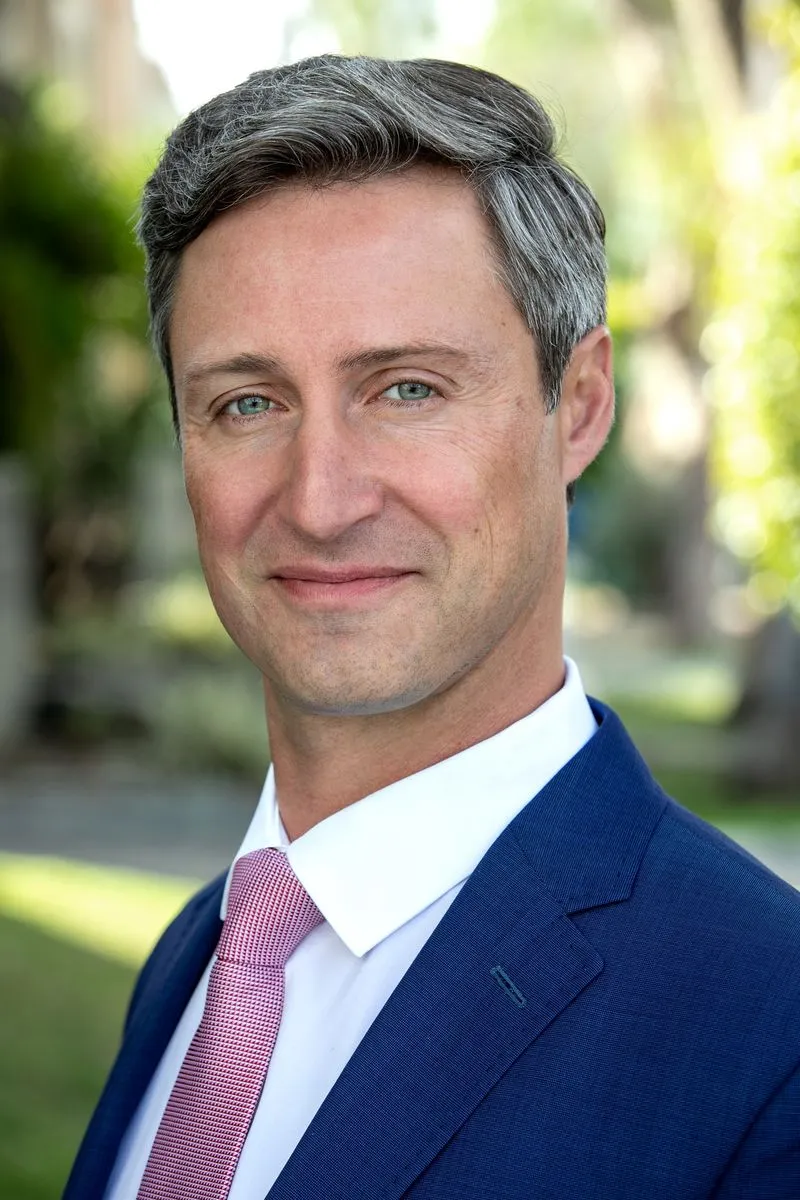
Trevor Damyan is a commercial mortgage broker at Commercial Lending Solutions with a background in structured finance at CBRE and Marcus and Millichap Capital Corporation. He specializes in bridge loans, construction financing, SBA programs, DSCR loans, and complex capital structures for investors and developers across all 50 states.
View full profile →