Mixed-use investing in Miami reflects the metro's dense urban development pattern and lifestyle-oriented market demand. Brickell City Centre and similar projects demonstrate the market's appetite for luxury mixed-use combining residential, retail, and office. The Wynwood, Design District, and Edgewater neighborhoods feature creative mixed-use that blends art, dining, and residential. Miami's international buyer pool and tourism economy add unique demand drivers for mixed-use product.
Mixed-Use Market Overview: Miami 2026
The Miami mixed-use market in 2026 reflects the metro's broader economic momentum, driven by finance, international trade, tourism, technology, healthcare. Key metrics for mixed-use investors:
- Mixed-Use Vacancy: 6.0%
- Mixed-Use Cap Rates: 5.00%-5.75%
- Metro Rent Growth: 5.5% year-over-year
- Job Growth: 2.5%
- Population Growth: 1.2%
- Median Asking Rent: $2,450
Mixed-Use Subtypes in Miami
The Miami mixed-use market encompasses a range of property subtypes, each with distinct risk-return profiles and financing requirements:
- Retail + Residential
- Office + Residential
- Live-Work Spaces
- Transit-Oriented Development
- Land & Development Sites
- Adaptive Reuse & Conversion
- Ground-Floor Commercial + Apartments
- Mixed-Use Portfolios
Each subtype has different lender appetite, underwriting criteria, and optimal financing structures. Understanding which subtypes perform best in Miami's specific market conditions is critical for investment success.
Key Investment Metrics
Mixed-Use investors evaluating Miami should focus on these key performance indicators:
- Cap Rate Spread: Miami mixed-use cap rates at 5.00%-5.75% compare favorably to national averages, reflecting the market's premium fundamentals and institutional demand
- Rent Growth Trajectory: 5.5% annual rent growth supports both value-add and core investment strategies
- Supply Pipeline: New mixed-use construction activity should be evaluated relative to the market's absorption capacity
- Tenant Quality: The Miami metro's major employment sectors — finance, international trade, tourism, technology, healthcare — drive mixed-use tenant demand and creditworthiness
Financing Options for Mixed-Use in Miami
Mixed-Use properties in Miami can be financed through multiple capital sources, each with distinct advantages:
- Bank Permanent Loans
- Bridge Loans
- Construction Loans
- CMBS
- Agency (If 80%+ Residential)
- Mezzanine & Preferred Equity
The optimal financing structure depends on your business plan (core hold, value-add, or development), the property's current condition and occupancy, and your desired leverage and hold period. In the Miami market, lenders are most competitive for well-located assets with strong fundamentals and experienced sponsors.
Top Submarkets for Mixed-Use Investment
The Miami-Fort Lauderdale-Pompano Beach metro features several distinct submarkets for mixed-use investment, each with unique characteristics:
- Brickell — offering distinct opportunities within the broader Miami mixed-use market
- Wynwood — offering distinct opportunities within the broader Miami mixed-use market
- Doral — offering distinct opportunities within the broader Miami mixed-use market
- Coral Gables — offering distinct opportunities within the broader Miami mixed-use market
- Fort Lauderdale — offering distinct opportunities within the broader Miami mixed-use market
- West Palm Beach — offering distinct opportunities within the broader Miami mixed-use market
- Miami Beach — offering distinct opportunities within the broader Miami mixed-use market
- Aventura — offering distinct opportunities within the broader Miami mixed-use market
- Little Havana — offering distinct opportunities within the broader Miami mixed-use market
- Edgewater — offering distinct opportunities within the broader Miami mixed-use market
- Coconut Grove — offering distinct opportunities within the broader Miami mixed-use market
- Hialeah — offering distinct opportunities within the broader Miami mixed-use market
- Kendall — offering distinct opportunities within the broader Miami mixed-use market
- North Miami — offering distinct opportunities within the broader Miami mixed-use market
- Overtown — offering distinct opportunities within the broader Miami mixed-use market
- Little Haiti — offering distinct opportunities within the broader Miami mixed-use market
The most active investment corridors for mixed-use in Miami include Brickell financial district, Wynwood creative corridor, Doral industrial, Fort Lauderdale mixed-use. Submarket selection significantly impacts both returns and financing terms, as lenders evaluate location-specific metrics in their underwriting.
Investment Thesis: Mixed-Use in Miami
The investment case for mixed-use in Miami rests on several structural factors:
- Economic Fundamentals: 2.5% job growth and 1.2% population growth create durable demand
- Market Pricing: Cap rates at 5.00%-5.75% offer institutional-quality assets at competitive yields
- Financing Environment: The Miami market's depth and lender familiarity support competitive borrowing costs
- Growth Potential: 5.5% rent growth supports improving cash flows over the hold period
Miami's commercial real estate market is anchored by its dual role as the financial and trade capital of Latin America and a magnet for domestic corporate relocations drawn by Florida's absence of a personal income tax and a regulatory environment that is materially lighter than New York or California. Brickell has absorbed the bulk of headquarter and regional office demand from financial services firms, private equity managers, and hedge funds that relocated from Manhattan and Greenwich during and after the pandemic, pushing Class A office vacancy in that corridor well below the national average even as broader U.S. office markets remain distressed. Port of Miami, the busiest cruise port in the world and a top-five U.S. container gateway, anchors industrial and logistics demand across Doral and Hialeah, where last-mile and distribution facilities compete for limited infill sites against e-commerce and cold-storage tenants serving the metro's dense residential base. Multifamily fundamentals across Edgewater, Wynwood, and Aventura remain among the tightest in the Sun Belt, driven by continued domestic migration from high-tax northeastern metros and a Latin American wealth cohort that frequently purchases rather than rents, tightening the for-rent supply curve further. University of Miami and Jackson Health System together employ tens of thousands and sustain medical office and life sciences demand in Coral Gables and the Health District. The single most consequential underwriting variable in Miami today is flood insurance and sea-level-rise risk, which has materially widened spreads on coastal assets, shifted capital toward western submarkets, and introduced property-level insurance cost assumptions that can make or break deal-level returns.
CLS CRE — Mixed-Use Financing in Miami
CLS CRE specializes in mixed-use financing throughout the Miami-Fort Lauderdale-Pompano Beach metropolitan area. With access to 1,000+ lenders, we match your specific mixed-use investment with the right capital source at the most competitive terms available.
Related resources:
- Mixed-Use Financing — National Overview
- Mixed-Use Financing in Miami
- Bridge Loans in Miami
- Permanent Loans in Miami
- Construction Loans in Miami
- Miami Commercial Real Estate Market Report 2026
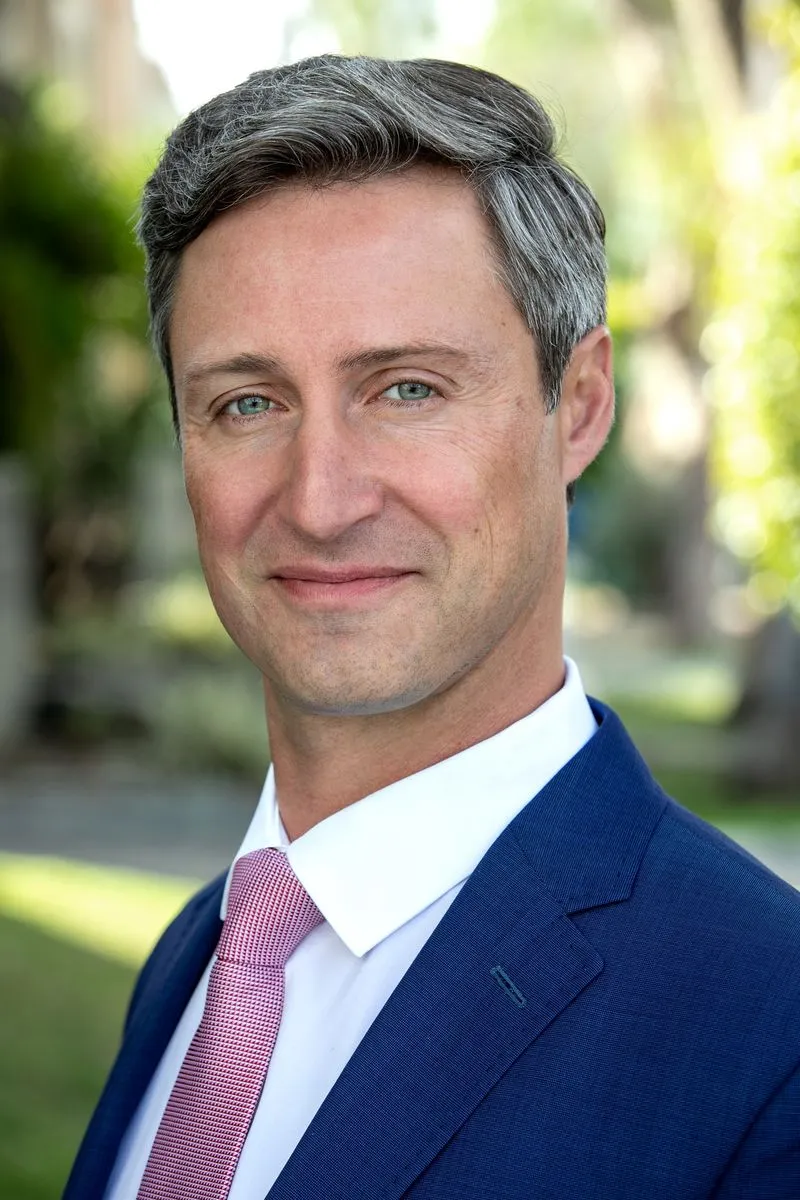
Trevor Damyan is a commercial mortgage broker at Commercial Lending Solutions with a background in structured finance at CBRE and Marcus and Millichap Capital Corporation. He specializes in bridge loans, construction financing, SBA programs, DSCR loans, and complex capital structures for investors and developers across all 50 states.
View full profile →