Specialty financing in Atlanta covers the metro's growing self-storage sector, data centers in the suburban ring, entertainment and dining complexes in Buckhead and Midtown, and film studio infrastructure serving the state's booming entertainment industry. Georgia's production tax credits have created demand for specialty entertainment-related properties that require creative financing approaches.
When to Use Specialty Financing in Atlanta
Atlanta's commercial real estate market, driven by logistics, healthcare, technology, film production, financial services, creates specific scenarios where specialty financing are the optimal financing choice:
- Self-storage facilities
- Data centers and tech infrastructure
- Marinas and boat storage
- Religious and nonprofit facilities
- Entertainment and recreation venues
- Adaptive reuse and conversion projects
In the Atlanta-Sandy Springs-Alpharetta metro, specialty financing are particularly relevant given the market's 3.0% rent growth and 2.6% job growth, which support creative financing solutions across niche asset classes.
Current Specialty Loan Rates in Atlanta
As of 2026, specialty financing in the Atlanta market are pricing at the following levels:
- Rate Range: 5.54% - 13.04%
- Loan Amount: $1M - $100M+
- Term: 1 - 25 Years
- Maximum LTV: Varies by Asset Class
- Recourse: Varies by Lender
Rates in Atlanta may vary from national averages based on local market conditions, property type, and sponsor experience. The Atlanta market's 5.50%-6.00% multifamily cap rates and 5.50%-6.00% industrial cap rates influence lender pricing as they underwrite to specific debt yield and coverage targets.
Qualification Requirements
Qualifying for specialty financing in Atlanta requires demonstrating both borrower strength and property fundamentals. Key requirements include:
- Borrower Experience: Lenders evaluate your track record with similar assets in Atlanta or comparable markets
- Net Worth & Liquidity: Most lenders require net worth equal to the loan amount and 6-12 months of debt service in liquid reserves
- Property Performance: Property-specific underwriting based on asset class, cash flow, and market positioning
- Market Position: Asset location within Atlanta's strongest submarkets, including Midtown tech corridor, South Atlanta industrial, Buckhead mixed-use, Alpharetta corporate
Capital Sources for Specialty Loans in Atlanta
The Atlanta market offers access to a diverse set of capital sources for specialty financing:
- Specialty Lenders
- Banks with Niche Expertise
- Debt Funds
- Life Insurance Companies
- Private Lenders
- CMBS Conduits
Each capital source has distinct appetites for property types, leverage levels, and borrower profiles. Working with a commercial mortgage broker who maintains relationships across all these capital sources ensures you're seeing the most competitive terms available in Atlanta.
Exit Strategy Considerations
Specialty financing exits in Atlanta vary significantly by asset type and business plan. Some specialty properties — like self-storage and data centers — can transition to permanent agency or CMBS financing once stabilized. Others may require continued specialty lending or a sale to a specialized operator.
The key is structuring the initial financing with a realistic exit timeline and identifying permanent capital sources early in the process. The Atlanta market's 2.6% job growth supports demand across specialty property types.
Atlanta Market Context
Atlanta's commercial real estate market is anchored by the convergence of Hartsfield-Jackson Atlanta International Airport, the busiest passenger and cargo airport in the world, and a corporate headquarters concentration that includes Coca-Cola, Delta Air Lines, Home Depot, UPS, Intercontinental Exchange, NCR Voyix, and Cox Enterprises, giving the metro an economic footprint that extends well beyond the Southeast. That headquarters density, combined with Georgia's film and television production incentives that have made metro Atlanta one of the top production markets in North America, drives persistent demand for Class A office in Midtown and Buckhead, creative adaptive-reuse product in Westside and Decatur, and a growing medical office corridor tied to Emory University, Emory Healthcare, and the Centers for Disease Control and Prevention in the Druid Hills submarket. Industrial fundamentals have been reshaped by last-mile and bulk distribution logistics tied to the airport's cargo volume and Georgia's intermodal infrastructure, with speculative development concentrated in the I-85 Northeast corridor and Douglasville to the west. Multifamily supply has run ahead of absorption in several submarkets, particularly Midtown and the Perimeter, forcing underwriters to stress concessions more carefully than headline vacancy figures suggest. Alpharetta and Sandy Springs have attracted a dense cluster of fintech and cybersecurity firms that support suburban office demand where other Sun Belt markets have seen that product type stall. Georgia's lack of a local income tax at the city level and active opportunity zone designations across South Atlanta continue to shape capital allocation decisions for value-add and ground-up investors alike.
Understanding the local market dynamics is critical for structuring the right financing. The Atlanta metro's key commercial neighborhoods include Midtown, Buckhead, Sandy Springs, Alpharetta, Marietta, Decatur, each with distinct property characteristics and tenant demand profiles.
Get a Specialty Loan Quote for Atlanta
CLS CRE provides specialty financing throughout the Atlanta-Sandy Springs-Alpharetta metro area, with access to 1,000+ lenders competing for your deal. Our market expertise in Atlanta commercial real estate helps you navigate the lending landscape and secure the most competitive terms available.
Related resources:
- Specialty Financing — National Overview
- Specialty Financing in Atlanta
- Multifamily Investing in Atlanta
- Industrial Investing in Atlanta
- Atlanta Commercial Real Estate Market Report 2026
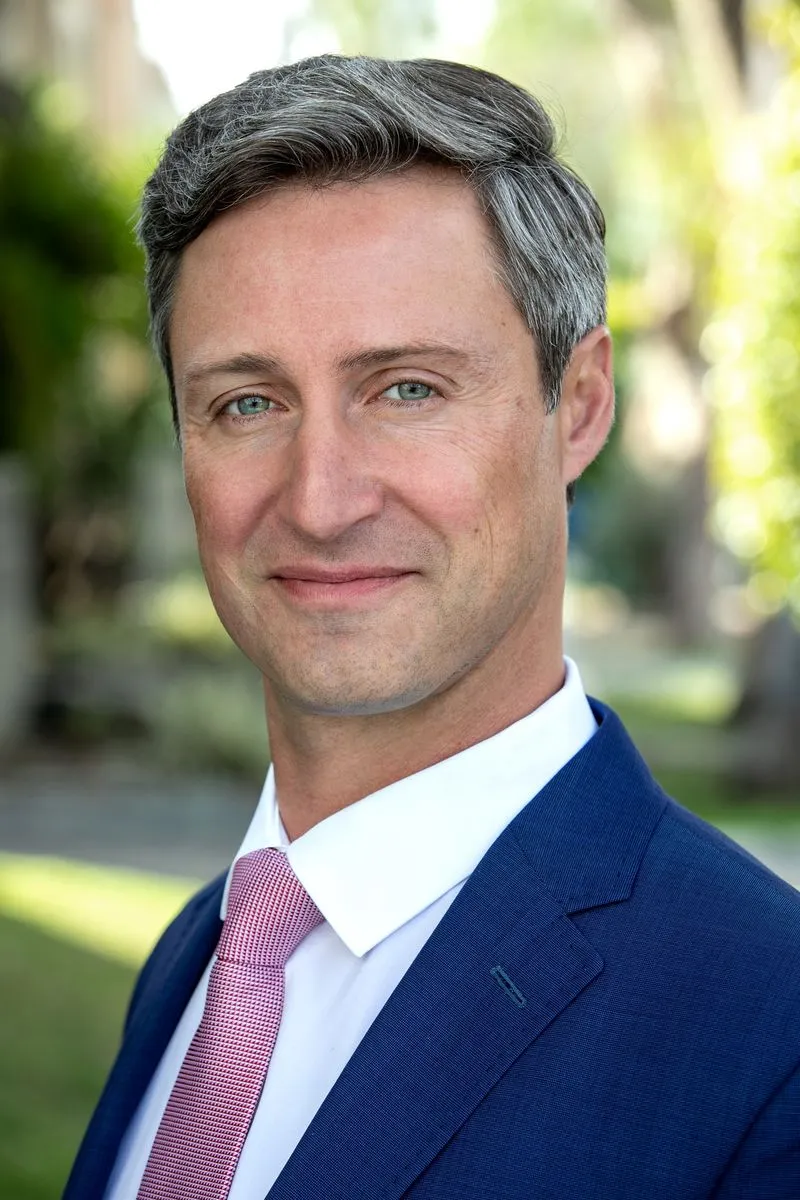
Trevor Damyan is a commercial mortgage broker at Commercial Lending Solutions with a background in structured finance at CBRE and Marcus and Millichap Capital Corporation. He specializes in bridge loans, construction financing, SBA programs, DSCR loans, and complex capital structures for investors and developers across all 50 states.
View full profile →