Permanent financing in Austin is available but requires more careful underwriting than in years past. Agency lenders have implemented market-level adjustments that require higher debt service coverage ratios and more conservative rent growth assumptions. Life companies remain active for stabilized industrial and retail assets, where Austin's growth fundamentals support durable long-term demand.
When to Use Permanent Loans in Austin
Austin's commercial real estate market, driven by technology, semiconductor manufacturing, government, healthcare, education, creates specific scenarios where permanent loans are the optimal financing choice:
- Stabilized multifamily apartments
- Industrial warehouses and distribution centers
- Anchored retail shopping centers
- Net lease properties with credit tenants
- Office buildings with strong occupancy
- Mixed-use assets with proven cash flow
In the Austin-Round Rock-Georgetown metro, permanent loans are particularly relevant given the market's 1.8% rent growth and 2.8% job growth, which support conservative underwriting with strong debt service coverage.
Current Permanent Loan Rates in Austin
As of 2026, permanent loans in the Austin market are pricing at the following levels:
- Rate Range: 5.34% - 8.25%
- Loan Amount: $1M - $100M+
- Term: 5 - 25 Years
- Maximum LTV: Up to 75% LTV
- Amortization: 25 - 30 Years
- Recourse: Non-Recourse Available
Rates in Austin may vary from national averages based on local market conditions, property type, and sponsor experience. The Austin market's 5.00%-5.50% multifamily cap rates and 5.50%-6.00% industrial cap rates influence lender pricing as they underwrite to specific debt yield and coverage targets.
Qualification Requirements
Qualifying for permanent loans in Austin requires demonstrating both borrower strength and property fundamentals. Key requirements include:
- Borrower Experience: Lenders evaluate your track record with similar assets in Austin or comparable markets
- Net Worth & Liquidity: Most lenders require net worth equal to the loan amount and 6-12 months of debt service in liquid reserves
- Property Performance: Stabilized occupancy of 90%+ with a minimum DSCR of 1.20x-1.25x
- Market Position: Asset location within Austin's strongest submarkets, including Domain/North Austin tech, East Austin creative, Round Rock suburban, Georgetown growth
Capital Sources for Permanent Loans in Austin
The Austin market offers access to a diverse set of capital sources for permanent loans:
- Banks
- Credit Unions
- Life Insurance Companies
- CMBS Conduits
- Fannie Mae / Freddie Mac
- Debt Funds
Each capital source has distinct appetites for property types, leverage levels, and borrower profiles. Working with a commercial mortgage broker who maintains relationships across all these capital sources ensures you're seeing the most competitive terms available in Austin.
Exit Strategy Considerations
Permanent loans in Austin are designed for long-term hold strategies, but borrowers should consider prepayment provisions carefully. Common structures include yield maintenance, defeasance, and declining prepayment penalties. The right prepayment structure depends on your expected hold period and the likelihood of refinancing or selling before maturity.
With Austin's 1.8% rent growth, properties financed with permanent loans should see improving cash flow over the hold period, supporting both debt service and equity returns.
Austin Market Context
Austin's emergence as a genuine technology and semiconductor capital has reshaped every property type in the metro, anchored by Apple's second global campus in North Austin, Tesla's Gigafactory Texas in southeast Travis County, Samsung's semiconductor fabrication plant in Taylor, and Dell Technologies' longstanding Round Rock headquarters, alongside the University of Texas at Austin feeding a 50,000-student pipeline into the technical workforce. The Domain submarket functions as a de facto second downtown, where major tech and financial services occupiers have absorbed Class A office at rents that rivaled coastal markets before the post-2022 hybrid work correction softened sublease availability, creating buy-the-basis opportunities for investors with long hold horizons. Multifamily delivered at a scale that briefly outpaced even Phoenix and Nashville during the 2021 to 2023 construction cycle, and concession packages across Downtown, East Austin, and Cedar Park remain wide as the market digests roughly 25,000 units added in under three years. Industrial is the cleaner story: Georgetown, Hutto, and the Highway 130 corridor are absorbing logistics and advanced manufacturing demand generated by the broader semiconductor supply chain clustering around Samsung and a growing constellation of chip packaging and materials suppliers. Medical office around the St. David's and Ascension Seton systems has stayed tight, and Georgetown's senior living pipeline is among the most active in Texas given the sustained retiree migration from California and the upper Midwest. Texas has no state income tax and no rent control statute, both of which underwriters price as structural tailwinds, but Travis County's property tax reassessment pace has compressed effective yields on stabilized assets faster than nominal rent growth can offset.
Understanding the local market dynamics is critical for structuring the right financing. The Austin metro's key commercial neighborhoods include Downtown, East Austin, The Domain, Cedar Park, Round Rock, Georgetown, each with distinct property characteristics and tenant demand profiles.
Get a Permanent Loan Quote for Austin
CLS CRE provides permanent loans throughout the Austin-Round Rock-Georgetown metro area, with access to 1,000+ lenders competing for your deal. Our market expertise in Austin commercial real estate helps you navigate the lending landscape and secure the most competitive terms available.
Related resources:
- Permanent Loans — National Overview
- Permanent Loans in Austin
- Multifamily Investing in Austin
- Industrial Investing in Austin
- Austin Commercial Real Estate Market Report 2026
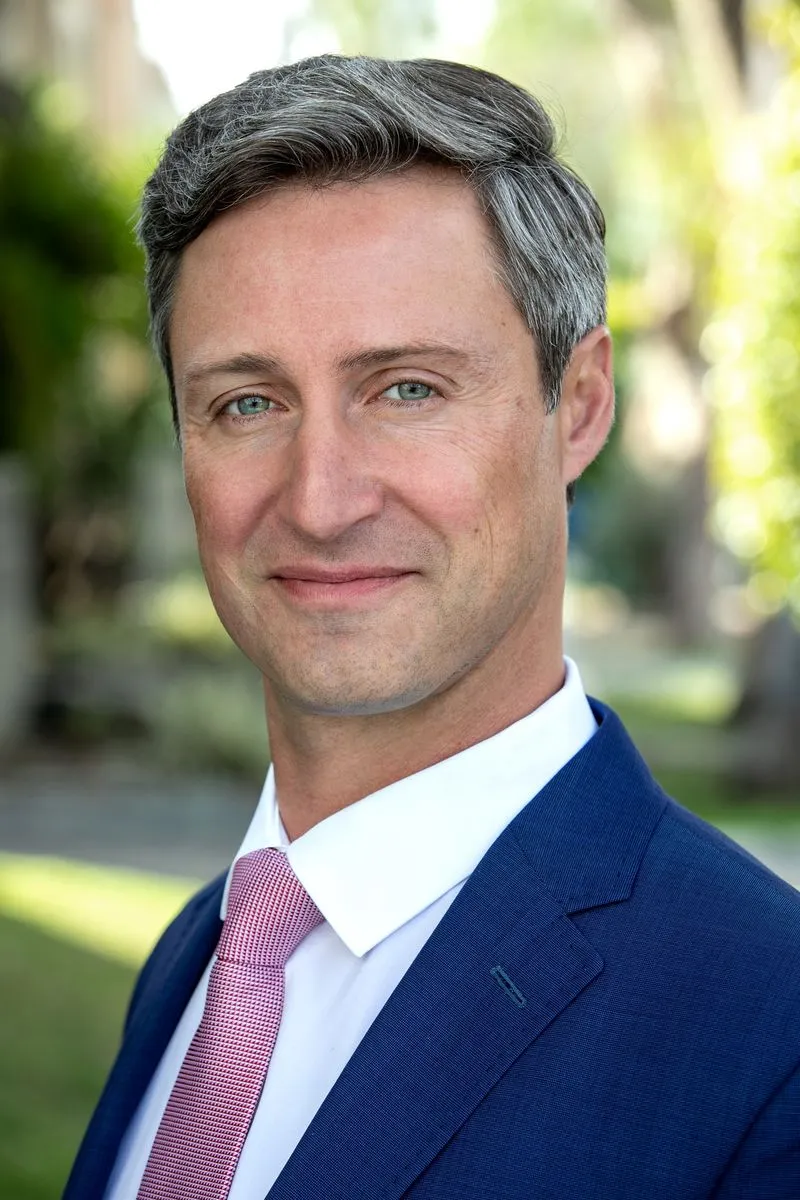
Trevor Damyan is a commercial mortgage broker at Commercial Lending Solutions with a background in structured finance at CBRE and Marcus and Millichap Capital Corporation. He specializes in bridge loans, construction financing, SBA programs, DSCR loans, and complex capital structures for investors and developers across all 50 states.
View full profile →