Mixed-use development and investment in Las Vegas is gaining momentum as master-planned community developers in Summerlin, Henderson, and the emerging arts district near downtown incorporate live-work-play programming that aligns with demographic demand from remote workers and younger residents relocating from California. The Arts District on South Main Street is the most active corridor for boutique mixed-use projects combining ground-floor food and beverage or retail with upper-floor residential or creative office, attracting private equity and family office capital comfortable with the repositioning risk. Downtown Summerlin represents the institutional end of the mixed-use spectrum, where retail, office, and residential components are fully integrated into a walkable environment that is generating strong NOI growth and attracting life company and institutional buyer interest. Financing mixed-use in Las Vegas requires lenders comfortable underwriting multiple income streams simultaneously, with construction lenders typically requiring pre-leasing on the commercial component and demonstrated residential absorption velocity before full loan commitment.
Parking Market Overview: Las Vegas 2026
The Las Vegas parking market in 2026 reflects the metro's broader economic momentum, driven by Hospitality and gaming, logistics and distribution, technology and data centers, healthcare. Key metrics for parking investors:
- Parking Vacancy: 7.2%
- Parking Cap Rates: 5.75%-7.00%
- Metro Rent Growth: 4.2% year-over-year
- Job Growth: 3.1%
- Population Growth: 2.8%
- Median Asking Rent: $1,820
Parking Subtypes in Las Vegas
The Las Vegas parking market encompasses a range of property subtypes, each with distinct risk-return profiles and financing requirements:
- Urban Standalone Garages
- Surface Parking Lots
- Airport Parking Facilities
- Transit-Oriented Park-and-Ride
- Event-Driven Parking (Stadium, Arena)
- Mixed-Use Parking Podiums
- Ground-Leased Parking on Credit-Tenant Operator Leases
- Automated and Robotic Parking Facilities
Each subtype has different lender appetite, underwriting criteria, and optimal financing structures. Understanding which subtypes perform best in Las Vegas's specific market conditions is critical for investment success.
Key Investment Metrics
Parking investors evaluating Las Vegas should focus on these key performance indicators:
- Cap Rate Spread: Las Vegas parking cap rates at 5.75%-7.00% compare favorably to national averages, reflecting attractive yields for investors seeking current cash flow
- Rent Growth Trajectory: 4.2% annual rent growth supports both value-add and core investment strategies
- Supply Pipeline: New parking construction activity should be evaluated relative to the market's absorption capacity
- Tenant Quality: The Las Vegas metro's major employment sectors — Hospitality and gaming, logistics and distribution, technology and data centers, healthcare — drive parking tenant demand and creditworthiness
Financing Options for Parking in Las Vegas
Parking properties in Las Vegas can be financed through multiple capital sources, each with distinct advantages:
- Bank Permanent Loans
- CMBS Conduit
- Life Insurance Company Loans (Ground Lease)
- Specialty Parking REIT / Operator Capital
- Bridge & Value-Add
- Ground Lease Structures
The optimal financing structure depends on your business plan (core hold, value-add, or development), the property's current condition and occupancy, and your desired leverage and hold period. In the Las Vegas market, lenders are most competitive for well-located assets with strong fundamentals and experienced sponsors.
Top Submarkets for Parking Investment
The Las Vegas-Henderson-Paradise metro features several distinct submarkets for parking investment, each with unique characteristics:
- The Strip Corridor — offering distinct opportunities within the broader Las Vegas parking market
- Henderson — offering distinct opportunities within the broader Las Vegas parking market
- Summerlin — offering distinct opportunities within the broader Las Vegas parking market
- North Las Vegas — offering distinct opportunities within the broader Las Vegas parking market
- Enterprise — offering distinct opportunities within the broader Las Vegas parking market
- Spring Valley — offering distinct opportunities within the broader Las Vegas parking market
The most active investment corridors for parking in Las Vegas include Henderson, Southwest Las Vegas, North Las Vegas, Summerlin. Submarket selection significantly impacts both returns and financing terms, as lenders evaluate location-specific metrics in their underwriting.
Investment Thesis: Parking in Las Vegas
The investment case for parking in Las Vegas rests on several structural factors:
- Economic Fundamentals: 3.1% job growth and 2.8% population growth create durable demand
- Market Pricing: Cap rates at 5.75%-7.00% offer attractive entry points relative to coastal gateway markets
- Financing Environment: The Las Vegas market's depth and lender familiarity support competitive borrowing costs
- Growth Potential: 4.2% rent growth supports improving cash flows over the hold period
Las Vegas is one of the fastest-growing metros in the U.S., driven by tourism, entertainment, professional sports expansion, and significant in-migration from California. The market features explosive industrial growth, strong multifamily demand, no state income tax, and a diversifying economy beyond hospitality into technology and logistics.
CLS CRE — Parking Financing in Las Vegas
CLS CRE specializes in parking financing throughout the Las Vegas-Henderson-Paradise metropolitan area. With access to 1,000+ lenders, we match your specific parking investment with the right capital source at the most competitive terms available.
Related resources:
- Parking Financing — National Overview
- Parking Financing in Las Vegas
- Bridge Loans in Las Vegas
- Permanent Loans in Las Vegas
- Construction Loans in Las Vegas
- Las Vegas Commercial Real Estate Market Report 2026
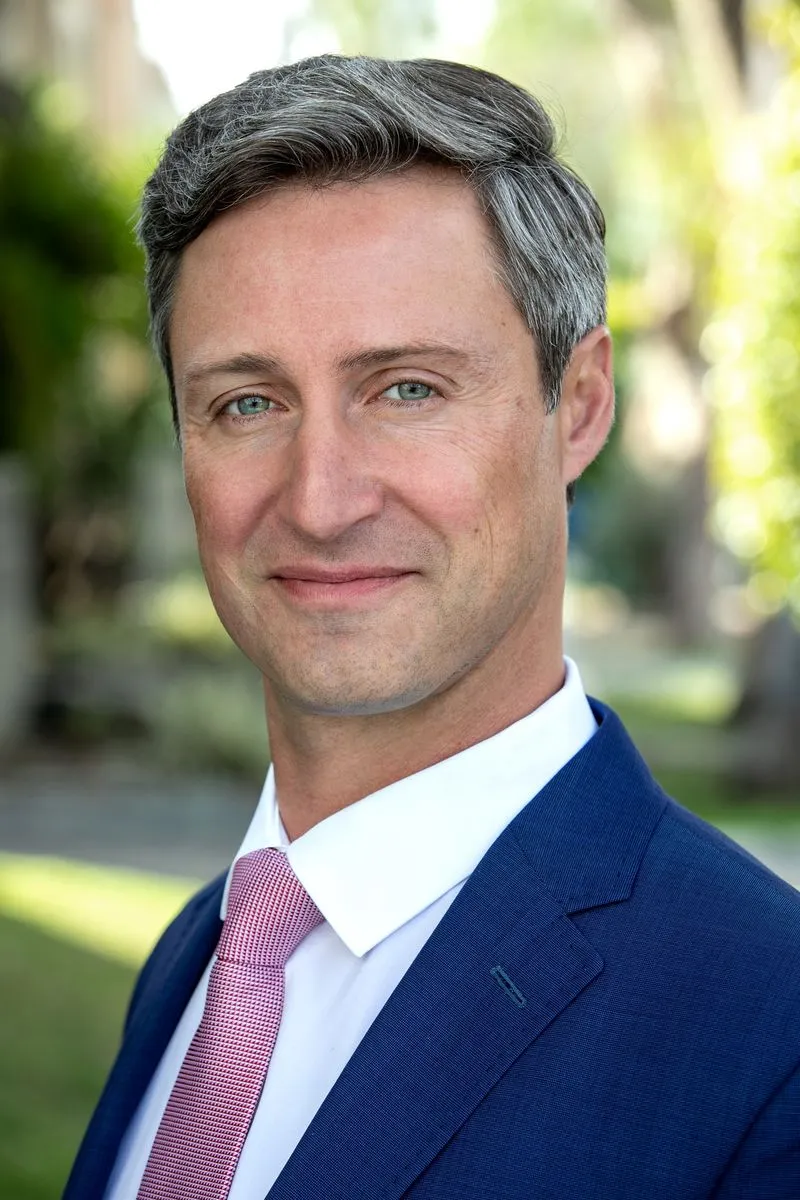
Trevor Damyan is a commercial mortgage broker at Commercial Lending Solutions with a background in structured finance at CBRE and Marcus and Millichap Capital Corporation. He specializes in bridge loans, construction financing, SBA programs, DSCR loans, and complex capital structures for investors and developers across all 50 states.
View full profile →