Seattle industrial investing targets one of the West Coast's most constrained markets, where geographic limitations and intense demand from e-commerce and port logistics create a structural supply-demand imbalance. The Kent Valley serves as the primary industrial hub, with Tacoma and South Seattle providing additional logistics capacity. Cold storage, last-mile delivery, and aerospace manufacturing create diversified demand beyond traditional distribution.
Industrial Market Overview: Seattle 2026
The Seattle industrial market in 2026 reflects the metro's broader economic momentum, driven by technology, aerospace, healthcare, e-commerce, cloud computing. Key metrics for industrial investors:
- Industrial Vacancy: 4.5%
- Industrial Cap Rates: 4.75%-5.25%
- Metro Rent Growth: 3.5% year-over-year
- Job Growth: 2.0%
- Population Growth: 0.8%
- Median Asking Rent: $2,050
Industrial Subtypes in Seattle
The Seattle industrial market encompasses a range of property subtypes, each with distinct risk-return profiles and financing requirements:
- Distribution & Logistics Centers
- Cold Storage & Food Processing
- Manufacturing & Production
- Flex / R&D Space
- Truck Terminals & Cross-Dock
- Data Centers
- Self-Storage
- Industrial Showrooms
Each subtype has different lender appetite, underwriting criteria, and optimal financing structures. Understanding which subtypes perform best in Seattle's specific market conditions is critical for investment success.
Key Investment Metrics
Industrial investors evaluating Seattle should focus on these key performance indicators:
- Cap Rate Spread: Seattle industrial cap rates at 4.75%-5.25% compare favorably to national averages, reflecting the market's premium fundamentals and institutional demand
- Rent Growth Trajectory: 3.5% annual rent growth supports both value-add and core investment strategies
- Supply Pipeline: New industrial construction activity should be evaluated relative to the market's absorption capacity
- Tenant Quality: The Seattle metro's major employment sectors — technology, aerospace, healthcare, e-commerce, cloud computing — drive industrial tenant demand and creditworthiness
Financing Options for Industrial in Seattle
Industrial properties in Seattle can be financed through multiple capital sources, each with distinct advantages:
- Bank Permanent Loans
- Life Insurance Company Loans
- CMBS
- Bridge Loans
- Construction Loans
- SBA 504 (Owner-Occupied)
The optimal financing structure depends on your business plan (core hold, value-add, or development), the property's current condition and occupancy, and your desired leverage and hold period. In the Seattle market, lenders are most competitive for well-located assets with strong fundamentals and experienced sponsors.
Top Submarkets for Industrial Investment
The Seattle-Tacoma-Bellevue metro features several distinct submarkets for industrial investment, each with unique characteristics:
- South Lake Union — offering distinct opportunities within the broader Seattle industrial market
- Capitol Hill — offering distinct opportunities within the broader Seattle industrial market
- Bellevue — offering distinct opportunities within the broader Seattle industrial market
- Tacoma — offering distinct opportunities within the broader Seattle industrial market
- Redmond — offering distinct opportunities within the broader Seattle industrial market
- Shoreline — offering distinct opportunities within the broader Seattle industrial market
The most active investment corridors for industrial in Seattle include South Lake Union tech campus, Bellevue East Side, Kent Valley industrial, Capitol Hill multifamily. Submarket selection significantly impacts both returns and financing terms, as lenders evaluate location-specific metrics in their underwriting.
Investment Thesis: Industrial in Seattle
The investment case for industrial in Seattle rests on several structural factors:
- Economic Fundamentals: 2.0% job growth and 0.8% population growth create durable demand
- Market Pricing: Cap rates at 4.75%-5.25% offer institutional-quality assets at competitive yields
- Financing Environment: The Seattle market's depth and lender familiarity support competitive borrowing costs
- Growth Potential: 3.5% rent growth supports improving cash flows over the hold period
Seattle's technology economy is anchored at the institutional level, with Amazon's sprawling South Lake Union campus effectively functioning as a city within a city, occupying millions of square feet of office and lab space and pulling a dense constellation of cloud computing, logistics software, and fintech tenants into the surrounding Denny Triangle corridor. Microsoft's Redmond headquarters and its expanding Bellevue footprint anchor the Eastside, where Class A office absorption has remained among the strongest in the nation even as downtown Seattle navigated post-pandemic softness and persistent street-level retail challenges along Third Avenue. The University of Washington's medical and research complex in the University District drives meaningful medical office and life science demand, a segment that was historically undersupplied relative to peer metros like Boston or San Diego and is now attracting capital specifically targeting wet-lab conversion and purpose-built research facilities. Multifamily fundamentals remain structurally tight: Puget Sound geography, steep terrain, and Washington State's Growth Management Act create genuine supply constraints that keep vacancy compressed in Shoreline, Capitol Hill, and Tacoma's urban core even through periods of elevated permitting activity. Industrial demand, particularly for last-mile and cold storage facilities, has been absorbed aggressively in the Kent Valley and along the SR-167 corridor, driven by the Port of Seattle, Port of Tacoma, and Boeing's supply chain network. Washington's lack of a state income tax continues to attract high-earning technology workers, sustaining premium multifamily rents and complicating cap rate compression underwriting for investors accustomed to markets where that demographic pressure is less concentrated.
CLS CRE — Industrial Financing in Seattle
CLS CRE specializes in industrial financing throughout the Seattle-Tacoma-Bellevue metropolitan area. With access to 1,000+ lenders, we match your specific industrial investment with the right capital source at the most competitive terms available.
Related resources:
- Industrial Financing — National Overview
- Industrial Financing in Seattle
- Bridge Loans in Seattle
- Permanent Loans in Seattle
- Construction Loans in Seattle
- Seattle Commercial Real Estate Market Report 2026
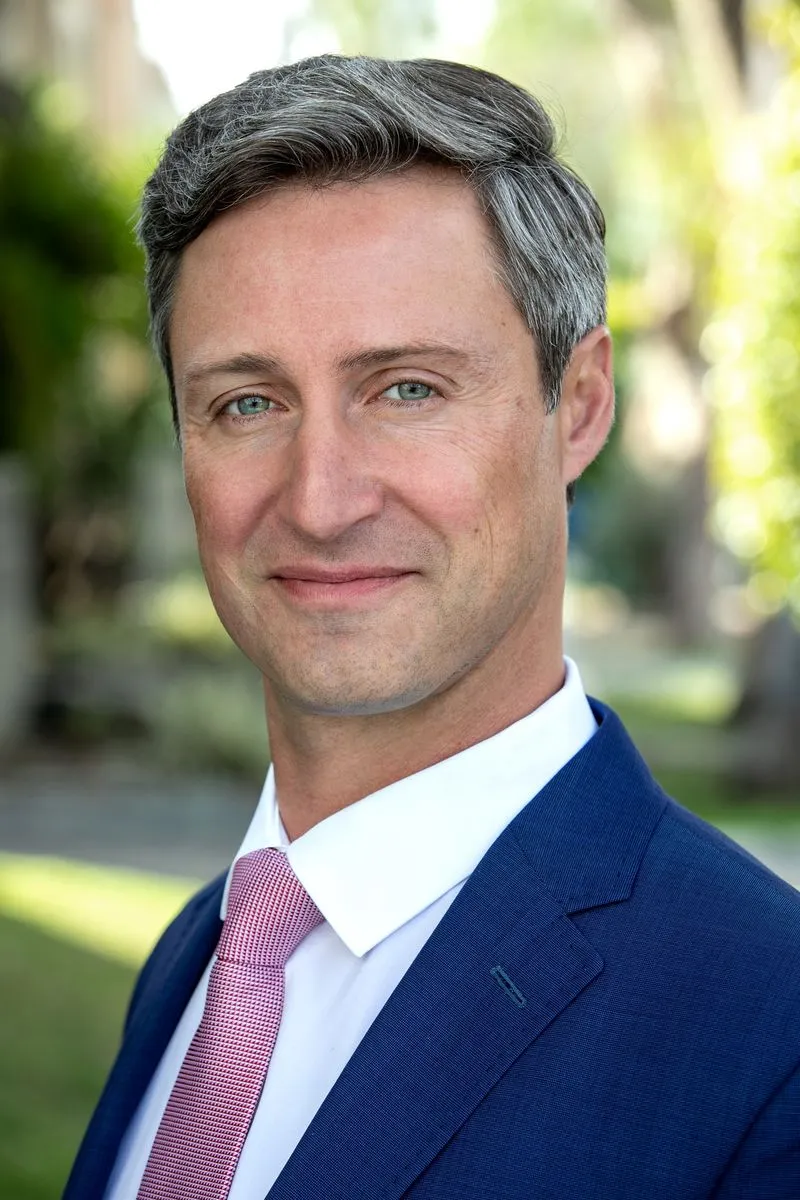
Trevor Damyan is a commercial mortgage broker at Commercial Lending Solutions with a background in structured finance at CBRE and Marcus and Millichap Capital Corporation. He specializes in bridge loans, construction financing, SBA programs, DSCR loans, and complex capital structures for investors and developers across all 50 states.
View full profile →