Bridge lending in Portland is most active in the $2M to $12M range, targeting value-add multifamily repositioning in Bayside, Munjoy Hill, and Deering where renovation programs of $30,000 to $60,000 per unit are driving meaningful rent step-ups, and boutique hotel acquisitions in the Old Port where operational turnarounds require 18 to 36 months of seasoning before agency or permanent bank financing is viable. Debt funds with New England mandates have become more consistent counterparties over the past two years, comfortable with Portland's low vacancy and tourism fundamentals as underwriting anchors for transitional deals. Typical bridge structures feature 24-month initial terms with one or two extension options, interest-only draws, and exit to agency multifamily or community bank permanent financing.
When to Use Bridge-to-Perm Loans in Portland
Portland's commercial real estate market, driven by healthcare and life sciences, higher education, tourism and hospitality, financial services, maritime and marine trades, creates specific scenarios where bridge-to-perm loans are the optimal financing choice:
- Ground-up multifamily projects targeting agency permanent take-out at stabilization
- Industrial build-to-suit with credit-tenant pre-leases supporting life company conversion
- Value-add multifamily repositioning eliminating refinance risk during business plan execution
- Mixed-use development converting to bank permanent upon lease-up
- Sponsors locking rate in a rising-rate environment to protect projected exit yields
- Institutional developers requiring certainty of execution on long-cycle projects
In the Portland-South Portland metro, bridge-to-perm loans are particularly relevant given the market's 4.6% rent growth and 1.4% job growth, which support aggressive value-add business plans and confident exit strategies.
Current Bridge-to-Perm Loan Rates in Portland
As of 2026, bridge-to-perm loans in the Portland market are pricing at the following levels:
- Rate Range: Construction SOFR plus 250 to 400, Permanent locked at close
- Loan Amount: $5M - $100M+
- Term: Construction 24 to 36 mo plus Permanent 5 to 30 yr
- Maximum LTV: Up to 75% LTC during construction, 70 to 75% LTV at conversion
- Recourse: Recourse During Construction, Non-Recourse at Conversion
Rates in Portland may vary from national averages based on local market conditions, property type, and sponsor experience. The Portland market's 5.25%-5.75% multifamily cap rates and 5.75%-6.50% industrial cap rates influence lender pricing as they underwrite to specific debt yield and coverage targets.
Qualification Requirements
Qualifying for bridge-to-perm loans in Portland requires demonstrating both borrower strength and property fundamentals. Key requirements include:
- Borrower Experience: Lenders evaluate your track record with similar assets in Portland or comparable markets
- Net Worth & Liquidity: Most lenders require net worth equal to the loan amount and 6-12 months of debt service in liquid reserves
- Property Performance: Clear value-add business plan with realistic renovation budgets and exit assumptions
- Market Position: Asset location within Portland's strongest submarkets, including Old Port mixed-use corridor, Bayside and East Bayside multifamily, South Portland industrial, Westbrook suburban office and flex
Capital Sources for Bridge-to-Perm Loans in Portland
The Portland market offers access to a diverse set of capital sources for bridge-to-perm loans:
- Regional Banks with Construction-to-Perm Platforms
- Agency Forward Commitments (Fannie Mae, Freddie Mac)
- Life Insurance Companies with Forward Commitment Programs
- Debt Funds with Bridge-to-Agency Structures
- National Banks
Each capital source has distinct appetites for property types, leverage levels, and borrower profiles. Working with a commercial mortgage broker who maintains relationships across all these capital sources ensures you're seeing the most competitive terms available in Portland.
Exit Strategy Considerations
Every bridge loan in Portland requires a clear exit strategy — typically either a permanent loan refinance or a property sale. Given the market's 4.6% rent growth and 5.25%-5.75% multifamily cap rates, well-executed value-add business plans can create significant equity value that supports attractive permanent refinancing terms or profitable dispositions.
The key risk factors for bridge loan exits in Portland include renovation timeline delays, market rent assumptions, and the pace of lease-up. Budget conservatively and build in a 6-month cushion on your bridge term to account for unforeseen circumstances.
Portland Market Context
Portland Maine is a thriving coastal market known for its vibrant food and tourism economy, with strong demand for boutique hotel, restaurant, and mixed-use assets in the Old Port district. The metro's growing remote worker population and limited new housing supply drive multifamily rent growth well above regional averages.
Understanding the local market dynamics is critical for structuring the right financing. The Portland metro's key commercial neighborhoods include Old Port, Munjoy Hill, Bayside, East Bayside, Parkside, Deering, Cape Elizabeth, South Portland, Scarborough, Westbrook, Biddeford, Kennebunkport, each with distinct property characteristics and tenant demand profiles.
Get a Bridge-to-Perm Loan Quote for Portland
CLS CRE provides bridge-to-perm loans throughout the Portland-South Portland metro area, with access to 1,000+ lenders competing for your deal. Our market expertise in Portland commercial real estate helps you navigate the lending landscape and secure the most competitive terms available.
Related resources:
- Bridge-to-Perm Loans — National Overview
- Bridge-to-Perm Loans in Portland
- Multifamily Investing in Portland
- Industrial Investing in Portland
- Portland Commercial Real Estate Market Report 2026
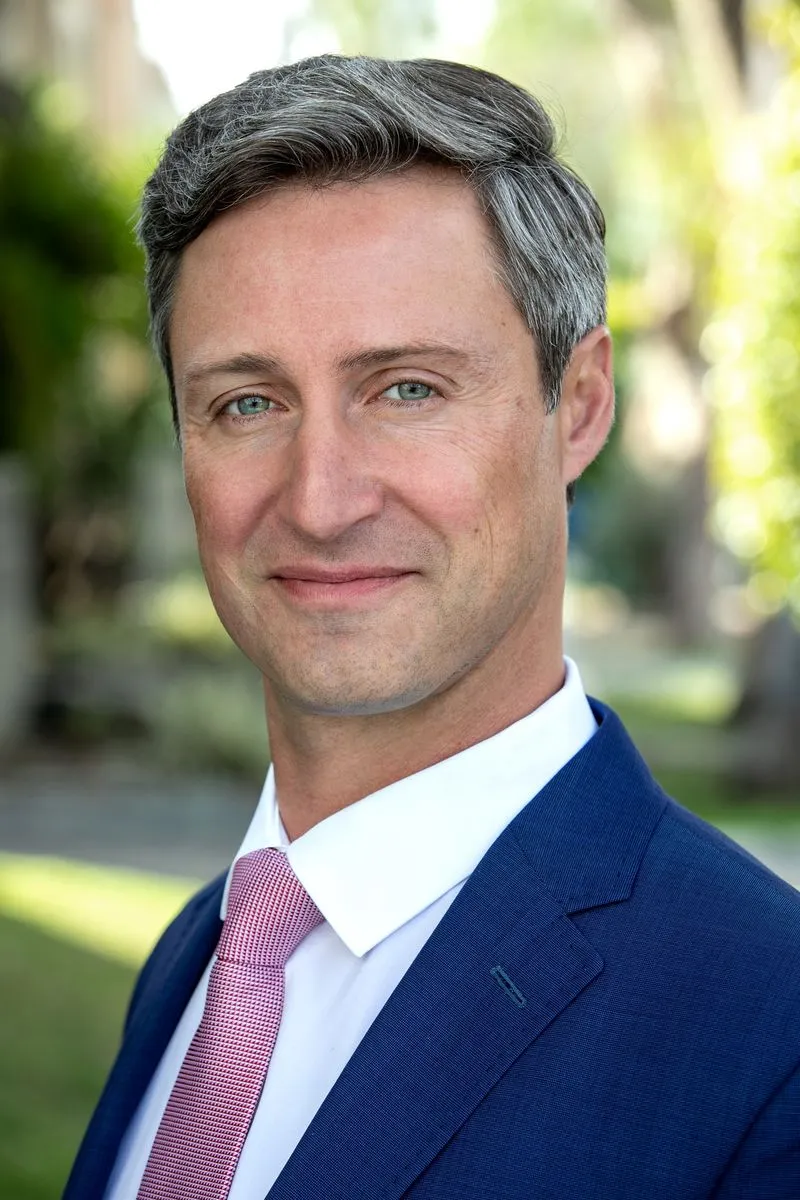
Trevor Damyan is a commercial mortgage broker at Commercial Lending Solutions with a background in structured finance at CBRE and Marcus and Millichap Capital Corporation. He specializes in bridge loans, construction financing, SBA programs, DSCR loans, and complex capital structures for investors and developers across all 50 states.
View full profile →