Deal at a Glance
| Loan Amount | $5.5 million (two pari passu notes of $2.75 million) |
| Property | Owner-occupied special-purpose entertainment venue |
| Location | Houston metro, Texas |
| Transaction | Refinance (takeout of private/hard money debt) |
| Lender Type | Specialty owner-user commercial lender |
| Rate | SOFR + 5.75%, fixed for 5 years with 5-year resets and a rate floor |
| Term / Amortization | 30 years / 30 years, no balloon |
| Leverage | ~54% loan-to-value |
| Prepayment | 3-2-1, with 20% annual prepayment allowed penalty-free |
| Closed | Q2 2024 |
The Deal That Walked in the Door
We are Commercial Lending Solutions, a commercial mortgage brokerage based in Los Angeles, and this one came to us from Texas (TX): a family-owned business operating a large interactive entertainment venue in the Houston metro, carrying roughly $4.4 million of private debt on their real estate. The hard money loan had done its job, it got them into the property when no bank would touch it, but the cost was punishing: a double-digit rate, and a 6 percent prepayment penalty standing between the owners and anything better. On a $4.4 million balance, that penalty alone was roughly $260,000 of dead weight. The eventual takeout came from a specialty owner-user commercial lender willing to underwrite the operating business, not just the real estate.
Commercial Lending Solutions specializes in owner-user commercial refinancing and hard money takeouts for business owners across Texas and nationwide, and this Houston-area assignment was a textbook example of that work.
The property itself was the core problem. This was a true special-purpose asset, a building extensively improved for one specific entertainment use, on a high-visibility corridor near the airport submarket north of Houston. Ask a typical bank credit committee to imagine re-tenanting it and the conversation ends in one meeting. On paper the business was healthy, the family had operated similar venues in multiple Texas markets for years, and the real estate had real value. But single-use collateral plus a hard money loan on title is a combination most conventional lenders decline on arrival.
What Made It Hard
- Special-purpose collateral. Most lenders underwrite to what the building would be worth to the next user. For a purpose-built entertainment venue, that number is deeply discounted, which kills proceeds.
- An expensive incumbent loan. The 6 percent prepayment penalty on the existing private debt meant the refinance had to generate enough savings to justify paying it, and enough proceeds to cover it.
- A complex borrower picture. The owners operated related ventures in other markets, with affiliate loans between entities that any takeout lender would need to understand and subordinate.
How We Ran the Process
Trevor Damyan, a California-licensed real estate broker (DRE #02244836), ran a full national process on this deal from Los Angeles. Five lenders issued proposals: two Texas community banks, a Houston-area regional bank, a national bank, and a California-based specialty finance company. The spread between them was enormous. One bank quoted a lower rate but capped proceeds around $4.9 million on a short balloon with a full deposit relationship required, which would have left almost nothing after the payoff and the prepayment penalty. Another wanted SBA paperwork the family had already been burned by once. The winner was the specialty lender, headquartered in Southern California like us, that focuses specifically on owner-user commercial real estate and gets comfortable with single-use buildings when the operating business cash flows and the tax returns prove it.
The winning structure:
- $5.5 million total, split into two pari passu notes of $2.75 million each, sharing the same first lien position. The split let the lender manage its internal exposure limits without changing the borrower's economics.
- 30-year term with a full 30-year amortization. No balloon, no forced refinance in five years. For a family business planning to operate the property for decades, this mattered more than shaving another quarter point off the rate.
- SOFR + 5.75 percent, fixed for the first five years and resetting on each five-year anniversary, with a floor at the initial rate.
- Conservative leverage at roughly 54 percent of appraised value, which was still enough to retire the private debt, absorb the prepayment penalty, and cover closing costs.
- A 3-2-1 prepayment structure with 20 percent annual penalty-free prepayment, so the owners can pay the loan down aggressively as the business generates cash.
- Affiliate notes subordinated and placed on standby for the loan term, cleaning up the intercompany picture to the lender's satisfaction.
The loan closed on June 25, 2024, and the private lender was paid off in full, prepayment penalty and all, with the deeds of trust recorded the next day.
"Hard money gets a business into a property. It should not be where that business stays. Our job was proving the operating cash flow and the clean tax returns to a lender who actually looks at the business, not just the walls."
Why We Won This One
The market for special-purpose owner-user properties is not the bank down the street. It is a specific set of lenders who underwrite the operating business first and the bricks second, and most of them are not in Texas, they are wherever the specialty finance shops happen to be headquartered. Knowing who those lenders are, and running them against each other, is the whole game. Of the five proposals on this deal, the winning structure balanced proceeds, term, and flexibility in a way none of the others matched: a 30-year fully amortizing loan on collateral other lenders called unfinanceable.
The grind on this file was in the underwriting details, and this is where a broker earns the fee. The family operated affiliated venues in other Texas cities with intercompany notes running between the entities. We mapped the whole affiliate structure up front, got the related-party notes documented and queued for subordination, and packaged four years of business and personal tax returns for IRS verification before the lender asked. When the commitment letters came back requiring exactly those items, everything was already in the file. That is the difference between a 60-day close and a deal that dies in processing.
The other lesson is that hard money is a tool, not a life sentence. Plenty of business owners get into their property with expensive private debt and assume they are stuck with it. With two or three years of clean tax returns and a property that appraises, there is almost always a takeout path, even for collateral that banks call unfinanceable.
Is This Structure Right for Your Deal?
If you own and operate your commercial property, especially a special-purpose one, and you are sitting in expensive bridge or hard money debt, we should talk. We arrange owner-occupied commercial loans, , and takeouts of hard money loans from a network of more than 1,000 capital sources, including the specialty lenders who compete for exactly this kind of deal.
Apply for refinancing or call us at 310.708.0690 to talk through your property.
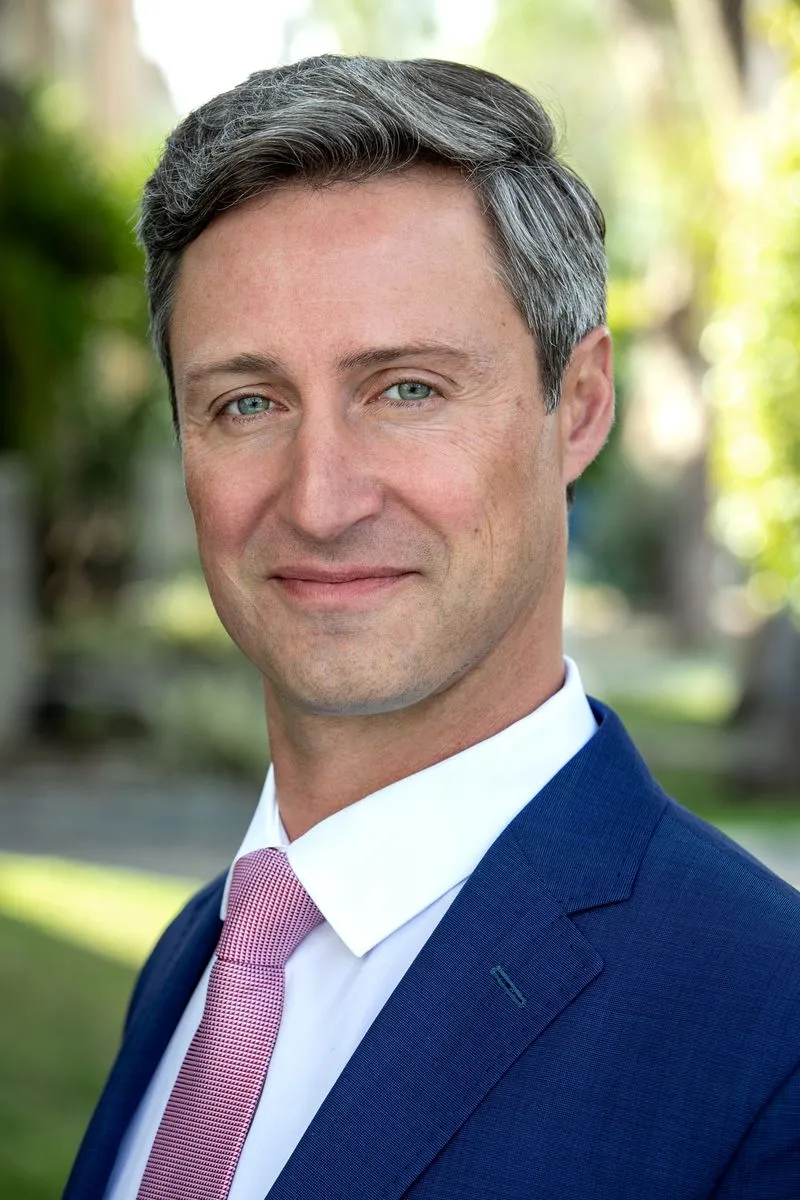
Trevor Damyan is a commercial mortgage broker at Commercial Lending Solutions with a background in structured finance at CBRE and Marcus and Millichap Capital Corporation. He specializes in bridge loans, construction financing, SBA programs, DSCR loans, and complex capital structures for investors and developers across all 50 states.
View full profile →