Deal at a Glance
| Loan Amount | $2,255,000 first trust deed + $430,000 private second ($2,685,000 total) |
| Property | Four-parcel portfolio: small industrial buildings and a church property |
| Location | Just west of downtown Los Angeles, California |
| Borrower | Court-appointed administrator of an estate in open probate, Los Angeles based |
| Transaction | Refinance / foreclosure bailout of three delinquent bank loans (about $2,758,000 in payoffs) |
| Lender Type | Los Angeles-based private bridge fund, first trust deed |
| Rate | 8.90% interest only ($16,724.58 per month) |
| Term | 6 months, junior financing permitted with lender consent |
| Fees | 1.00 point origination |
| Prepayment | None |
| Guaranty | No personal guaranty |
| Timeline | Offer issued March 5, 2024; signed March 6; closed March 21, 2024 |
The Deal That Walked in the Door
We are Commercial Lending Solutions, a commercial mortgage brokerage based in Los Angeles, CA. Commercial Lending Solutions specializes in bridge loans and complex capital structures, including private bridge fund financing, for owners and estates across California and nationwide. This one had every complication a lender hates stacked into a single file. The borrower was not a typical investor. He was the court-appointed administrator of his late father's estate, holding four commercial parcels just west of downtown Los Angeles: a collection of small industrial buildings and a church property along two of the city's older commercial corridors, in a dense, working-class trade area that has quietly become a target for infill investors because of its proximity to downtown.
The estate had inherited more than real estate. It inherited debt. Three separate bank loans, two with one Los Angeles-based community bank and a third with another, had gone delinquent while the probate worked its way through court. Interest had been accruing unpaid since mid-December 2023. The payoff demands would eventually total roughly $2,758,000 including about three months of back interest, legal fees, and demand fees. Loan servicing files in the deal record included foreclosure prevention paperwork. The clock was not theoretical.
What Made It Hard
- Open probate. The borrower signed as administrator of the estate, which meant a recorded court order authorizing the financing and a title company willing to insure around it. Most banks stop reading at the word "estate".
- Delinquent debt at three payoff desks. Two loans at one bank, a third at another, all with accrued interest from December 2023 forward, each with its own demand, reconveyance, and legal fees that had to reconcile to the penny in escrow.
- Mixed collateral. Four parcels, small industrial buildings plus a church, on one loan. Church properties are special-purpose collateral that conventional lenders discount heavily or decline.
- No time for committee. A bank process measured in months was worthless against default interest compounding daily and foreclosure alternatives paperwork already in the file.
"On a probate deal, nobody wins on rate. The lender who is comfortable with a court order in the chain of title and can still fund in days is the only lender who matters."
How We Ran the Process
Trevor Damyan, a California-licensed real estate broker (CA DRE 02244836), ran two tracks at once. In January 2024 we brought in a regional bank, which issued a letter of interest for the same $2,255,000 on conventional terms: 5 years fixed at the 5-year Treasury plus 3.00%, 25-year amortization, a 0.50% fee, and a 1% flat prepayment penalty. On paper that was the cheaper loan. In practice it was an expression of interest, not a commitment, with full application, committee approval, and weeks of diligence still ahead, against loans already in arrears.
So we simultaneously took the file to the Los Angeles private bridge market, and on March 5, 2024 a Los Angeles-based bridge fund issued the offer that actually fit the problem:
- $2,255,000 first trust deed across all four parcels
- 8.90% interest only, $16,724.58 per month, on a 6-month term
- 1.00 point origination fee and a $1,250 processing fee, nothing else
- No prepayment penalty and no personal guaranty, critical for a fiduciary signing on behalf of an estate
- Junior financing permitted, which let us layer in a $430,000 private second trust deed to cover the full payoff stack and closing costs
- Closing within 5 days of a complete package
The administrator signed the offer on March 6. Over the next two weeks we chased three payoff demands, the recorded court order, a gap indemnity, and title work covering four APNs, and escrow closed March 21, 2024. Every dollar of the delinquent bank debt was paid in full, the trust deeds recorded, and the estate even walked away with a small refund from escrow.
Why We Won This One
The first lesson is that the cheapest term sheet is not always the best loan. The bank's Treasury plus 3.00% pricing looked better in every column except the only one that mattered: certainty of closing before the foreclosure process overtook the probate. Bridge debt at 8.90% for six months cost the estate real money, but it converted a distressed, delinquent, litigated situation into a clean, current capital stack that a permanent lender could refinance later on normal terms. We were explicit with the client about that tradeoff, and the bank track stayed warm as the takeout plan.
The second lesson is that probate deals are process deals. Nobody wins them on rate. The winning lender was the one comfortable lending to an administrator, on mixed industrial and church collateral, with a court order in the chain of title, and still committing to fund within days. Being based in Los Angeles mattered here: the bridge fund, the title officer, the properties, and the client were all within a few miles of each other, and when a demand statement needed correcting or a signature needed notarizing, it happened same day.
Third, the structure did quiet work. No personal guaranty protected the administrator personally. No prepayment penalty meant the estate could refinance or sell parcels the day the probate allowed it. Junior financing consent made the $430,000 second possible, which is what let the numbers actually clear three payoff demands without the family writing a check they did not have.
Is This Structure Right for Your Deal?
If you are an executor, administrator, or heir holding commercial property with debt going sideways, the worst move is waiting for the probate to finish while default interest runs. We arrange bridge loans that close in days, specialty financing for church and mixed-collateral portfolios, and the permanent loans that take the bridge out once the dust settles, from a network of more than 1,000 capital sources.
Apply for financing or call us at 310.708.0690 to talk through your situation.
This is one of 32 closings we have arranged in Los Angeles County. Read about how we work as a Los Angeles commercial mortgage broker, see our Los Angeles bridge loans, or browse all 46 California closed deals.
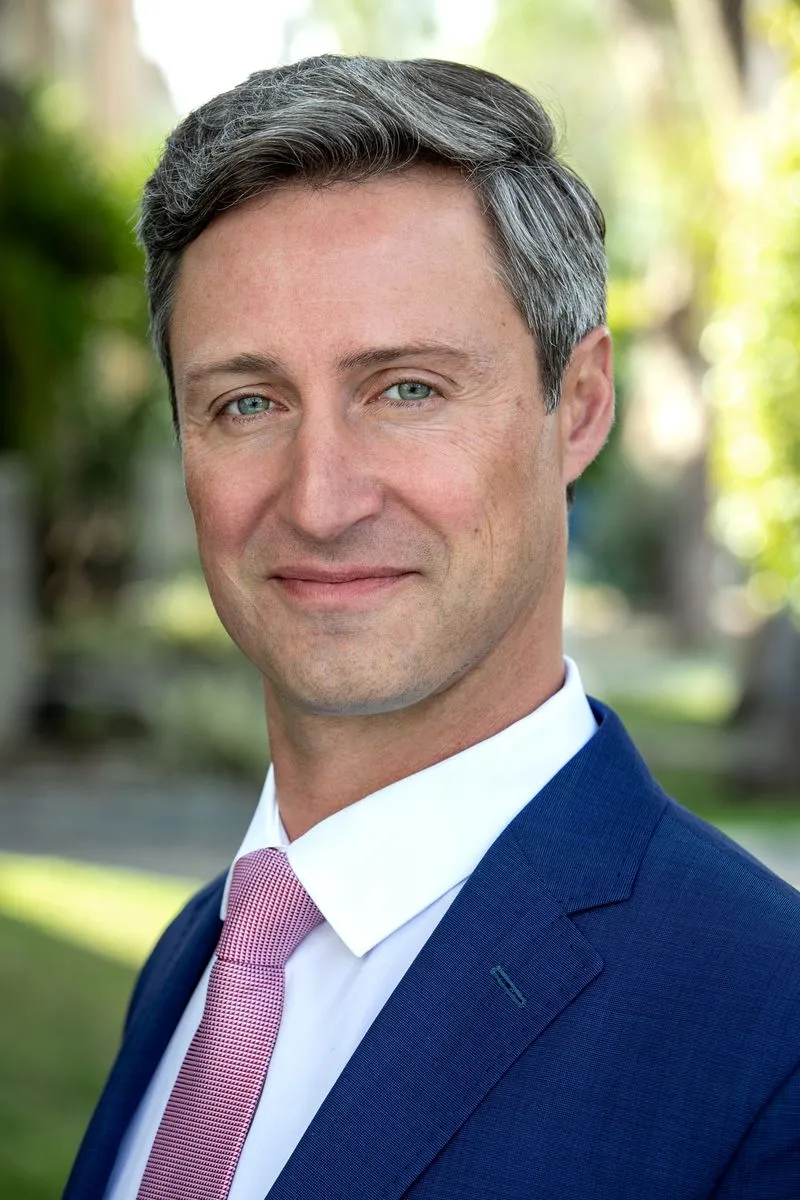
Trevor Damyan is a commercial mortgage broker at Commercial Lending Solutions with a background in structured finance at CBRE and Marcus and Millichap Capital Corporation. He specializes in bridge loans, construction financing, SBA programs, DSCR loans, and complex capital structures for investors and developers across all 50 states.
View full profile →