Deal at a Glance
| Loan Amount | $1,675,000 (or 75% LTV, whichever lower) |
| Property | Newly constructed 5-unit multifamily |
| Location | Boyle Heights, Los Angeles, California |
| Transaction | Construction take-out refinance (payoff of a matured construction loan) |
| Lender Type | Northern California-headquartered relationship bank with a Los Angeles office, conventional |
| Rate | 6.5% fixed years 1-3, then 3-year CMT + 250 bps years 4-6, 6.00% floor |
| Term / Amortization | 6 years / 30-year amortization |
| Interest Only | First 24 months |
| Leverage | Up to 75% of appraised value |
| DSCR | 1.25x property, 1.25x global (ongoing covenants) |
| Prepayment | 3-2-1 declining, open thereafter |
| Fees | 0.25% loan fee, $1,000 doc fee, $500 packaging fee |
| Prior Debt | $1,820,000 construction loan from a California bank, matured September 1, 2023 |
| Closed | LOI signed August 1, 2024; funded through escrow September 2024 |
The Deal That Walked in the Door
We are Commercial Lending Solutions, a commercial mortgage brokerage based in Los Angeles, California, and this one is a lesson in what happens after the ribbon cutting. Commercial Lending Solutions specializes in construction take-out refinancing and multifamily loans for investors across Los Angeles and Southern California. The client: a real estate investor operating through a California corporation based in Downey, in southeast Los Angeles County, who had just finished building a 5-unit multifamily property in Boyle Heights. Boyle Heights sits directly across the river from Downtown Los Angeles, one of the most supply-starved rental submarkets in the city, and small-lot new construction there leases up fast. The building was done, the units were leased, and the hard part should have been over.
It was not. The construction loan that built the project was a $1,820,000 note from a California (CA) bank, dated January 18, 2022, with a maturity date of September 1, 2023. By the time we were engaged in late June 2024, that note had been past maturity for almost ten months. Worse, it floated at Wall Street Journal Prime plus 1.00%, and by mid-2024 Prime was 8.50%. The client was paying roughly 9.5% interest on a finished, cash-flowing building, at the mercy of a lender whose loan had already expired.
What Made It Hard
- A matured construction loan. The existing note expired September 1, 2023. Every month without a take-out was a month the construction lender could escalate, and a month of Prime plus 1.00% interest bleeding the deal.
- A brand new rent roll. The building had no operating history. The permanent lender had to underwrite to a market stabilized 1.25x debt service coverage per the appraisal, not years of tax returns on the property.
- Payoff exceeded the new loan. The construction balance was $1,820,000 and the new loan was capped at $1,675,000 or 75% of appraised value, whichever was lower. The sponsor had to bring real cash to close, and the numbers had to be nailed down early so there were no surprises at the closing table.
- Full-documentation bank underwriting on a compressed clock. Corporate and personal tax returns, a personal financial statement, a global debt schedule, lease agreements, environmental questionnaire, and bank forms, all while the matured note ticked in the background.
"A matured construction loan feels like an emergency, but it is really just a sequencing problem. Once we had the appraisal supporting stabilized coverage, the payoff became a formality instead of a crisis."
How We Ran the Process
Trevor Damyan, a California-licensed real estate broker (CA DRE 02244836), signed the engagement in late June 2024 and packaged the deal as what it actually was: a clean stabilization story, not a distress story. Finished construction, five leased units in a submarket where vacancy barely exists, a sponsor with a track record of building and holding on the Eastside, and a payoff that simply needed a permanent home. We put the request in front of our relationship bank network as a construction take-out for a 5-unit multifamily in Los Angeles.
Trevor Damyan placed this loan with a Northern California-headquartered relationship bank with a business development office in Los Angeles. They issued their first letter of interest on July 9, 2024, we negotiated through July, and the final letter dated July 31 was signed by the guarantor on August 1. The structure that won:
- $1,675,000 or 75% LTV, whichever is lower, conventional, first deed of trust
- 6.5% fixed for the first 3 years, then 3-year CMT plus 250 basis points for years 4 through 6, with a 6.00% floor, a 300 basis point rate cut against the matured construction debt
- Interest only for the first 24 months, then principal and interest on a 30-year amortization for the balance of the 6-year term, letting the new rent roll season before full debt service kicked in
- 3-2-1 declining prepayment, open after year three
- 0.25% loan fee, plus a $1,000 documentation fee and a $500 packaging fee, with an $8,000 good faith deposit applied to third-party costs
- Relationship covenants: an operating account at the bank, plus 1.25x minimum debt service coverage maintained at both the property and global level, with annual tax returns and financial statements
We opened escrow on July 26, before the LOI was even countersigned, so title and payoff demands ran parallel to underwriting rather than after it. The bank spread the corporate financials through the end of June 2024, the appraisal confirmed the stabilized coverage, and by September 13 we had submitted our broker demand to escrow. The loan funded through escrow in September 2024, the matured construction note was paid off in full, and the client went from an expired loan at roughly 9.5% floating to 6.5% fixed with two years of interest only.
Why We Won This One
The first lesson is that a matured construction loan is a solvable problem if you treat it with urgency instead of shame. Plenty of good projects blow through their construction maturity; lease-up takes longer than the pro forma said, or rates move and the original take-out quote evaporates. The mistake borrowers make is negotiating extensions with the construction lender for a year while the default clock runs. The better move is usually what we did here: get a permanent lender committed fast and make the payoff the extension conversation. From engagement letter to funding was under 90 days.
The second lesson is sequencing. We opened escrow and ordered the payoff demand before final credit approval, which is backwards from how most refinances run and exactly why this one closed in weeks instead of months. When the loan committee said yes, there was nothing left to wait on. On a deal where the payoff exceeded the new loan amount, having the exact demand figure early also meant the sponsor knew his cash-to-close weeks in advance, not days.
And the structure mattered more than the headline rate. Any bank can quote a fixed rate. The 24 months of interest only on a newly stabilized building is what made the first two years of ownership comfortable, and the 3-year fixed window with a CMT reset meant the client paid for exactly the rate protection he needed instead of a full 6-year lock he did not.
Is This Structure Right for Your Deal?
If you have a construction loan coming due, or one that already has, on a finished and leased project, the take-out market is deeper than your construction lender wants you to believe. We arrange multifamily loans, permanent loans, and bridge loans for projects that need a little more seasoning first, from a network of more than 1,000 capital sources including the California relationship banks that live on this exact profile.
Apply for refinancing or call us at 310.708.0690 to talk through your project.
This is one of 32 closings we have arranged in Los Angeles County. Read about how we work as a Los Angeles commercial mortgage broker, see our Los Angeles commercial mortgage loans, or browse all 46 California closed deals.
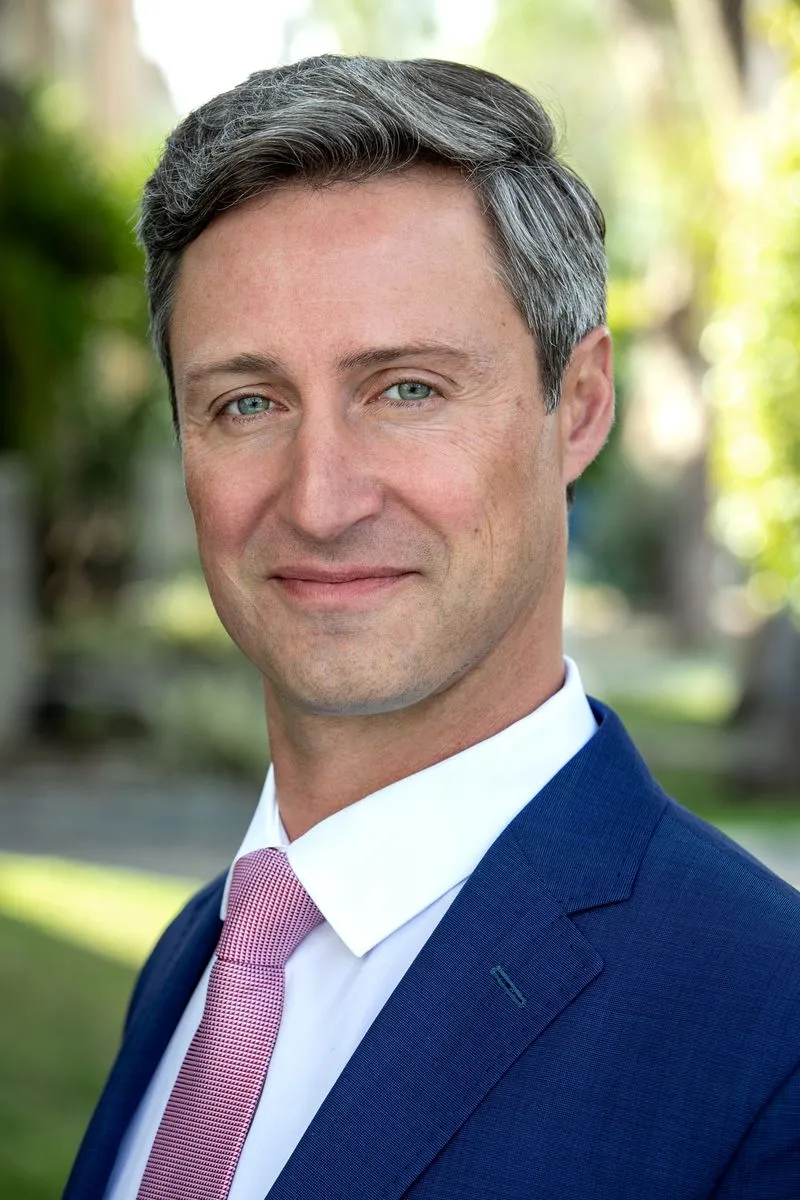
Trevor Damyan is a commercial mortgage broker at Commercial Lending Solutions with a background in structured finance at CBRE and Marcus and Millichap Capital Corporation. He specializes in bridge loans, construction financing, SBA programs, DSCR loans, and complex capital structures for investors and developers across all 50 states.
View full profile →