Deal at a Glance
| Loan Amount | $870,000 |
| Properties | 2 single-family rentals, 1 fourplex, 1 additional single-family rental (4 parcels) |
| Location | Los Angeles, California |
| Transaction | Second-position cash-out refinance |
| Lender | a private lender |
| Rate | 13.99% |
| Origination Fee | $54,150 |
| Term | 9 months |
| Interest Reserve | 9 months, fully prepaid from loan proceeds (no monthly payments due) |
| Monthly Interest Amount | $10,142.75 |
| Cash Out to Borrower | ~$715,000 net (estimated) |
| Lien Position | 2nd mortgage, behind an existing ~$450,000 first |
| Combined Value | $3,000,000 |
| Max Combined LTV | 50% |
| Loan Purpose | Business-purpose, rental/commercial (not owner-occupied) |
| Waived Fees | Funding fee, credit report fee, broker application fee |
| Closed | Q2 2024 |
The Deal That Walked in the Door
We are Commercial Lending Solutions, a commercial mortgage brokerage based in Los Angeles, California, and this deal brought us a rental property owner with four separate parcels on the same street, two single-family rentals, a fourplex, and a third single-family home, who needed to pull significant cash out of the portfolio without disturbing the existing first mortgage already in place. The collateral needed to be treated as one combined pool behind that first lien, secured jointly through a new second mortgage placed with a private hard money lender.
This kind of multi-parcel rental holding is common across Los Angeles's older residential neighborhoods, where an owner accumulates several adjacent or nearby properties over time in the CA rental market. Financing them together, rather than piecemeal, is often the only way to unlock meaningful cash-out proceeds without triggering a full refinance of the existing first. Commercial Lending Solutions specializes in second mortgage and cash-out bridge financing for rental property investors across Los Angeles and the broader California market.
What Made It Hard
- Structuring one loan across four separate parcels. Each property, two single-family rentals, a fourplex, and a fourth single-family home, had to be tied together as collateral for a single second-position note rather than financed individually.
- Sizing the cash-out behind an existing first. With roughly $450,000 remaining on the existing first mortgage, the new second had to be sized so the combined debt stayed within the lender's maximum combined loan-to-value, without disturbing the first lien's terms.
- Structuring the loan as business-purpose rental financing, not a consumer or owner-occupied loan, which required documenting the properties' use and rental status correctly for the lender's underwriting.
"Four parcels on one street, one borrower, one existing first mortgage nobody wanted to touch. The only way to get this owner a meaningful cash-out number was to convince the lender to underwrite all four properties as a single combined pool, that's what made this deal work."
How We Ran the Process
Trevor Damyan, a California-licensed real estate broker (DRE #02244836), placed this loan with a private lender, a private hard money lender, with the final letter of interest dated April 12, 2024:
- $870,000 in second position behind the existing approximately $450,000 first mortgage, secured jointly by all four parcels
- 13.99% rate with a $54,150 origination fee, structured as a 9-month term loan
- A fully prepaid 9-month interest reserve, funded from loan proceeds at closing, meaning the borrower had no monthly payments due for the entire term, the $10,142.75 in monthly interest was drawn automatically from the reserve rather than billed
- An estimated $715,000 in net cash proceeds to the borrower after payoff of closing costs and fees
- 50% maximum combined loan-to-value against a $3,000,000 valuation across all four parcels, keeping meaningful equity cushion beneath both loans
- Closing costs itemized transparently: legal document preparation, loan processing, investor underwriting, and background check fees, with the funding fee, credit report fee, and broker application fee each waived
- Auto-payment via the servicing company, a pricing condition the borrower accepted rather than paying a rate premium for mailed payments (moot here given the full reserve, but built into the note structure)
The loan closed with the existing first mortgage left untouched, giving the borrower substantial cash proceeds from the portfolio's accumulated equity without refinancing debt that was already in place on favorable terms.
Why We Won This One
Treating four separate parcels as one combined collateral pool, rather than trying to finance each property individually, is what unlocked meaningful loan proceeds here. A single-parcel loan on any one of these properties alone would not have supported anywhere near $870,000; combining all four gave the lender enough combined value to size a second mortgage that actually met the borrower's cash-out target.
Structuring a fully prepaid interest reserve was the other piece that mattered to the borrower directly. With no monthly payments due for the full nine-month term, the borrower could deploy the cash-out proceeds immediately without needing to carve out separate debt service, a real advantage of business-purpose private lending over a standard amortizing loan.
Is This Structure Right for Your Deal?
If you own multiple rental properties and want to unlock cash without disturbing an existing favorable first mortgage, a combined second-position loan can get you there. We arrange bridge loans and multifamily and residential rental financing from a network of more than 1,000 capital sources.
Apply for financing or call us at 310.708.0690 to talk through your rental portfolio.
This is one of 32 closings we have arranged in Los Angeles County. Read about how we work as a Los Angeles commercial mortgage broker, see our Los Angeles commercial mortgage loans, or browse all 46 California closed deals.
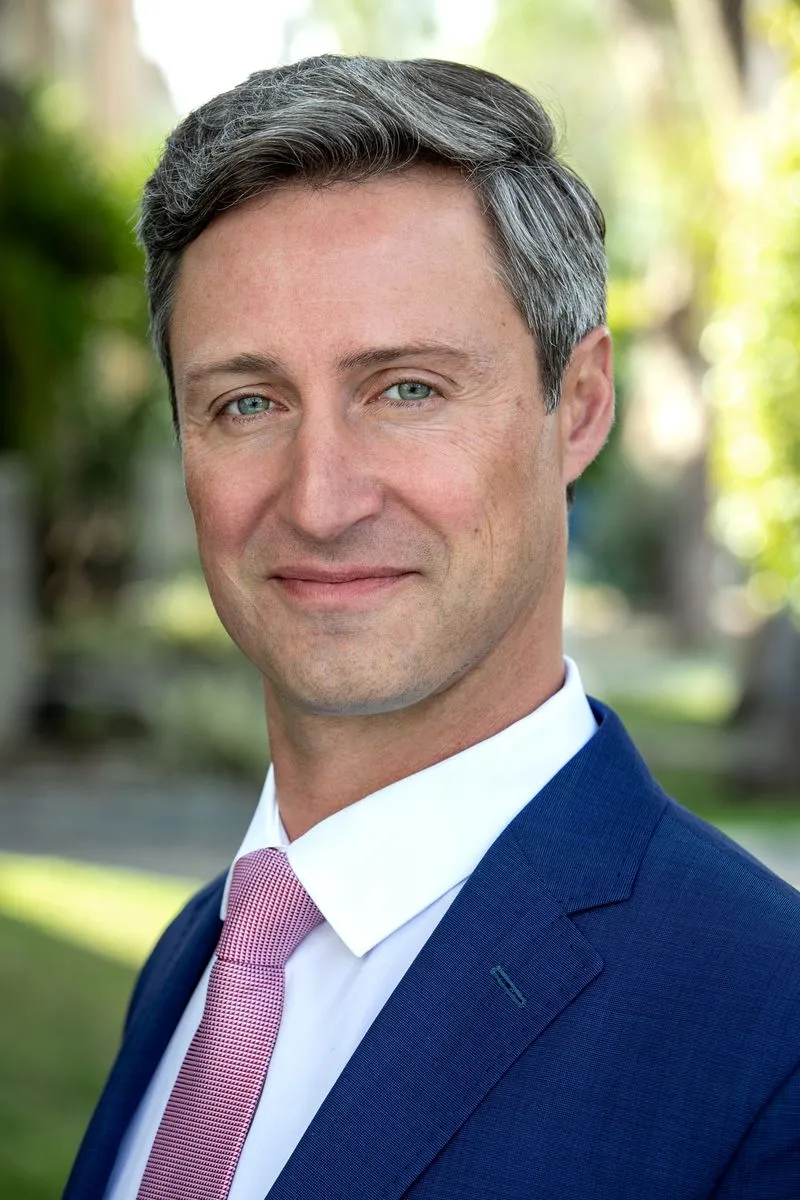
Trevor Damyan is a commercial mortgage broker at Commercial Lending Solutions with a background in structured finance at CBRE and Marcus and Millichap Capital Corporation. He specializes in bridge loans, construction financing, SBA programs, DSCR loans, and complex capital structures for investors and developers across all 50 states.
View full profile →