Deal at a Glance
| Mezzanine Loan Amount | $3,237,400 |
| Property | Build-to-suit entertainment venue |
| Location | Fort Myers, Florida |
| Transaction | Mezzanine construction financing, structured to exit via sale-leaseback |
| Lender | a national bank |
| Term | 1 year (March 2022 to March 2023) |
| Capital Stack | First-lien conventional loan plus subordinated mezzanine facility, same lender |
| Collateral | Fixtures and improvements, subordinated to the first-lien loan |
| Exit Strategy | Sale-leaseback purchase and sale agreement with a national net-lease REIT |
| Tenant Protection | Subordination, Non-Disturbance, and Attornment Agreement (SNDA) |
| Closed | Q1 2023 (mezzanine facility maturity) |
The Deal That Walked in the Door
We are Commercial Lending Solutions, a commercial mortgage brokerage based in Los Angeles, and this financing brought us a Florida-based development group building a ground-up entertainment venue in Fort Myers, Florida (FL) under a long-term lease with a national entertainment operator. The developer needed a bank lender comfortable providing construction capital sized to bridge the build-out, structured from the outset with a planned sale-leaseback exit to a national net-lease REIT once the property was completed and stabilized. Commercial Lending Solutions specializes in construction financing and complex mezzanine capital structures for developers across Florida and nationwide.
Build-to-suit entertainment venues in markets like Fort Myers carry a specific financing logic: the construction lender is underwriting to the tenant's credit and lease terms as much as the developer's own balance sheet, and the exit is typically a sale to an institutional net-lease buyer rather than a long-term hold. Structuring the capital stack correctly from day one, with an eye toward that eventual sale, shaped how this financing came together.
What Made It Hard
- Layering mezzanine debt behind a first-lien construction loan. The $3,237,400 mezzanine facility had to be properly subordinated to the senior conventional loan from the same lender, with clean subordination language covering both the debt itself and any security interests behind it.
- Coordinating tenant protections ahead of a future sale. With the eventual buyer expecting a clean, bankable lease, the developer needed an executed Subordination, Non-Disturbance, and Attornment Agreement with the tenant in place well before the sale-leaseback closing, protecting the tenant's occupancy rights through the transition from construction lender to permanent REIT owner.
- Sizing a one-year facility to a real construction and sale timeline. A mezzanine loan this short only works if the construction schedule and the sale-leaseback closing are realistically aligned, leaving little room for delays on either the build-out or the REIT's own closing process.
"Structuring the mezzanine piece with the eventual REIT buyer's underwriting in mind from day one is what kept this exit from becoming a bottleneck later."
How We Ran the Process
Trevor Damyan, a California-licensed real estate broker (DRE #02244836), arranged the mezzanine construction facility through a national bank, with the loan resolution dated March 14, 2022:
- $3,237,400 in mezzanine loan proceeds, structured as subordinated debt behind a first-lien conventional construction loan from the same lender
- A one-year term, running from March 14, 2022 to March 14, 2023, sized to the anticipated construction and stabilization period ahead of the planned sale-leaseback exit
- UCC-1 financing statement collateral covering fixtures and improvements on the property, filed against both the operating borrower entity and its affiliated guarantor entity
- Formal subordination authority built into the loan resolution, allowing the lender to subordinate the mezzanine debt and any related security interests on terms to be agreed with the senior lender
- A negotiated exit structure: a purchase and sale agreement between the development entity, as seller, and a national net-lease real estate investment trust, as purchaser, for the completed, tenant-occupied property
- An executed Subordination, Non-Disturbance, and Attornment Agreement with the entertainment tenant, protecting the tenant's lease rights through the transition from construction financing to the REIT's permanent ownership
The facility matured on schedule in March 2023, with the development completed and the sale-leaseback to the net-lease REIT structured to retire the construction capital stack.
Why We Won This One
Structuring the mezzanine debt correctly behind the first-lien construction loan, with clean subordination terms agreed upfront rather than negotiated under time pressure later, is what let this capital stack function as intended through the full construction period. Getting both loans properly documented and collateralized from the same lender simplified what could have been a more contentious intercreditor negotiation with two separate lenders.
Getting the tenant's SNDA executed well ahead of the sale-leaseback closing also mattered. A net-lease REIT buyer underwrites almost entirely to the strength and enforceability of the in-place lease, and having that tenant protection agreement finalized before the sale process began kept the eventual buyer's due diligence from becoming a bottleneck at the finish line.
Is This Structure Right for Your Deal?
If you're developing a build-to-suit project with a signed long-term lease and plan to exit through a sale-leaseback, structuring your construction capital stack with the eventual REIT buyer's underwriting in mind from day one can make that exit far smoother. We arrange bridge loans and construction financing from a network of more than 1,000 capital sources.
Apply for financing or call us at 310.708.0690 to talk through your development.
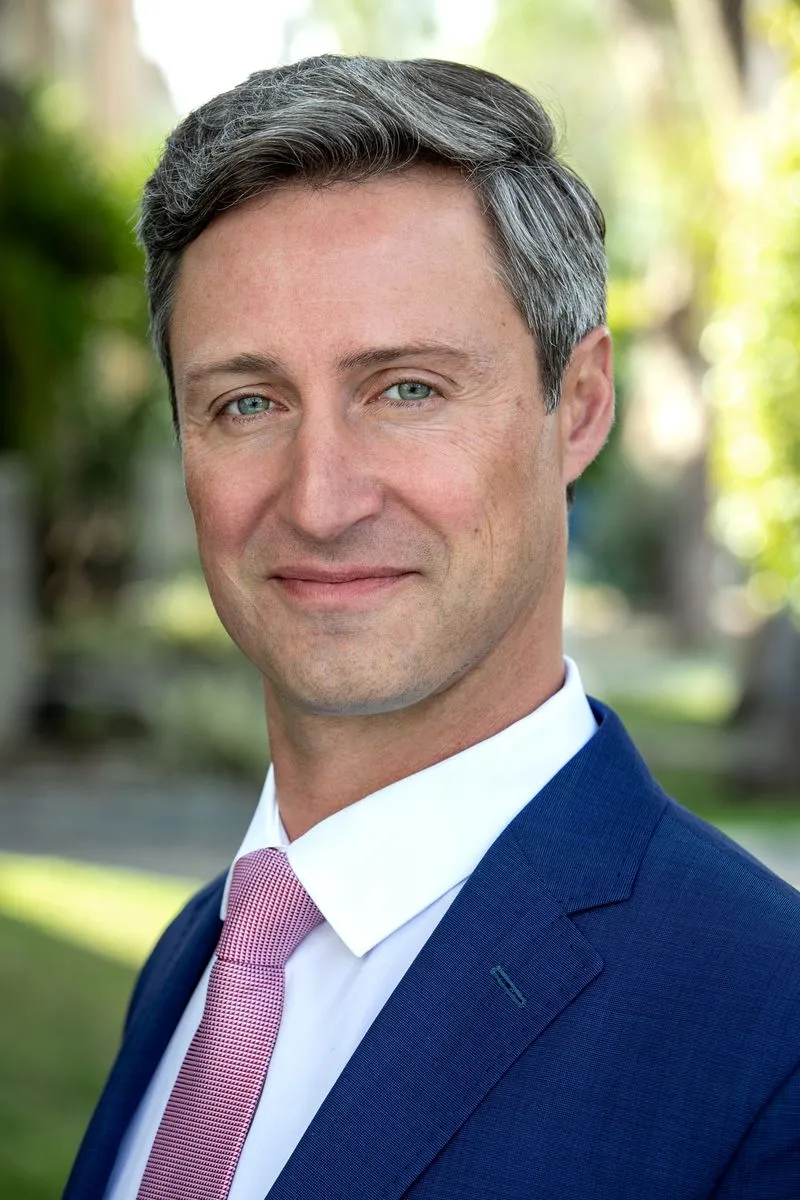
Trevor Damyan is a commercial mortgage broker at Commercial Lending Solutions with a background in structured finance at CBRE and Marcus and Millichap Capital Corporation. He specializes in bridge loans, construction financing, SBA programs, DSCR loans, and complex capital structures for investors and developers across all 50 states.
View full profile →