Deal at a Glance
| Loan Amount | $1,890,000 |
| Property | Single-family lot converting to a 5-unit building via new ADU construction |
| Location | West Los Angeles, California (90035 zip corridor) |
| Transaction | Payoff of seller-carryback note plus new construction draws |
| Lender Type | Specialty construction lender |
| Rate | 30-day SOFR index + 5.20% margin (~9.49% starting, 4.29% floor) |
| Points | 1 point at origination |
| Term | 12 months, plus two 3-month extension options at 0.5% each |
| Sizing | ~59% loan-to-cost; ~52% loan-to-ARV (ARV approx. $3,590,771) |
| Draws | Up to 10 construction draws under a fund-control process |
| Recourse | Full guaranty |
| Closed | Q2 2025 |
The Deal That Walked in the Door
We are Commercial Lending Solutions, a commercial mortgage brokerage based in Los Angeles, California (CA), and this borrower came to us with a common but awkward capital stack problem: a Los Angeles investor had purchased a small residential property years earlier with a private seller-carryback note still in place, and was now mid-plan-approval on turning the property into a 5-unit building by adding new ADUs on the lot. Commercial Lending Solutions specializes in construction financing and ADU conversion loans for investors across Los Angeles and California. The existing note was maturing, the construction budget still needed to be funded, and the borrower did not want two separate financings to get there.
The client had already invested real money and time into the project, plans and permits were in process, a general contractor had bid the job, and a construction lender had been approached months earlier at a variable bank rate. What was needed was a single facility, ultimately arranged through a specialty construction lender, that could retire the old note and carry the project through construction without the borrower running two clocks and two closings at once.
What Made It Hard
- Two problems, one closing. The loan had to simultaneously pay off a maturing private note and fund a construction budget that had not yet broken ground, which most lenders prefer to treat as separate transactions.
- Small-scale construction underwriting. A 3,018-square-foot new-construction scope on a single residential lot falls below the size many institutional construction lenders want to touch, even though the underlying economics penciled well.
- An earlier bank quote that priced the deal but didn't fit the structure. A bank had quoted an 8.25% variable rate (Prime plus 0.75%) over an 18-month term, but that structure did not accommodate the payoff-plus-construction combination the borrower actually needed.
"Most lenders want to fund either a payoff or a construction budget, not both in the same facility. Finding a construction lender willing to underwrite the whole picture at once is what kept this borrower from running two closings on one project."
How We Ran the Process
Trevor Damyan, a California-licensed real estate broker (CA DRE 02244836), placed this loan with a specialty construction lender built specifically for this kind of renovation and ground-up ADU work. Their Letter of Interest, issued in late February 2025 and executed March 6, 2025, structured the loan around exactly the two things the borrower needed solved in one facility:
- $1,890,000 at closing, retiring the $1,050,000 balance on the private seller-carryback note and funding a construction holdback of roughly $593,700 for the remaining build-out
- Pricing at a 30-day SOFR index plus a 5.20% margin, an estimated starting rate near 9.49% with a 4.29% floor, and 1 point collected at origination
- A 12-month term with two 3-month extension options at 0.5% per extension, giving the borrower a defined path to more time if permitting or construction ran long, rather than a renegotiation under pressure
- Sizing to roughly 59% of total project cost and 52% of the projected after-repair value of approximately $3,590,771, conservative enough that the lender could move quickly on approval
- Up to 10 construction draws released under a fund-control process once approved plans and permits were verified in hand, with no draws released before that condition was met
- An interest reserve built into the loan so carrying costs during construction did not compete with the project's own cash flow
The loan closed in April 2025, secured by a first deed of trust on the property, with the broker fee settling through escrow at close.
Why We Won This One
The earlier bank quote was not wrong, it was just built for a different problem. An 8.25% variable rate on an 18-month term works fine for a straight bridge, but it does not flex to combine a payoff and a construction draw schedule in one instrument, and it does not fund against a fund-control draw process the way a dedicated construction lender does. Matching the lender to the actual shape of the capital need, not just the rate, is what got this closed on the timeline the borrower needed.
The other piece worth noting is the extension structure. Small-scale construction projects run long more often than they run on schedule, and a pre-negotiated 3-month extension at a fixed 0.5% cost is a much better outcome than discovering at month 11 that the only options are a rushed refinance or a maturity default.
Is This Structure Right for Your Deal?
If you are sitting on a maturing private note and a construction budget that needs to be funded in the same breath, that combination does not have to mean two closings. We arrange construction loans and bridge loans from a network of more than 1,000 capital sources, including specialty lenders built for exactly this kind of small-scale renovation and ADU project.
Apply for financing or call us at 310.708.0690 to talk through your project.
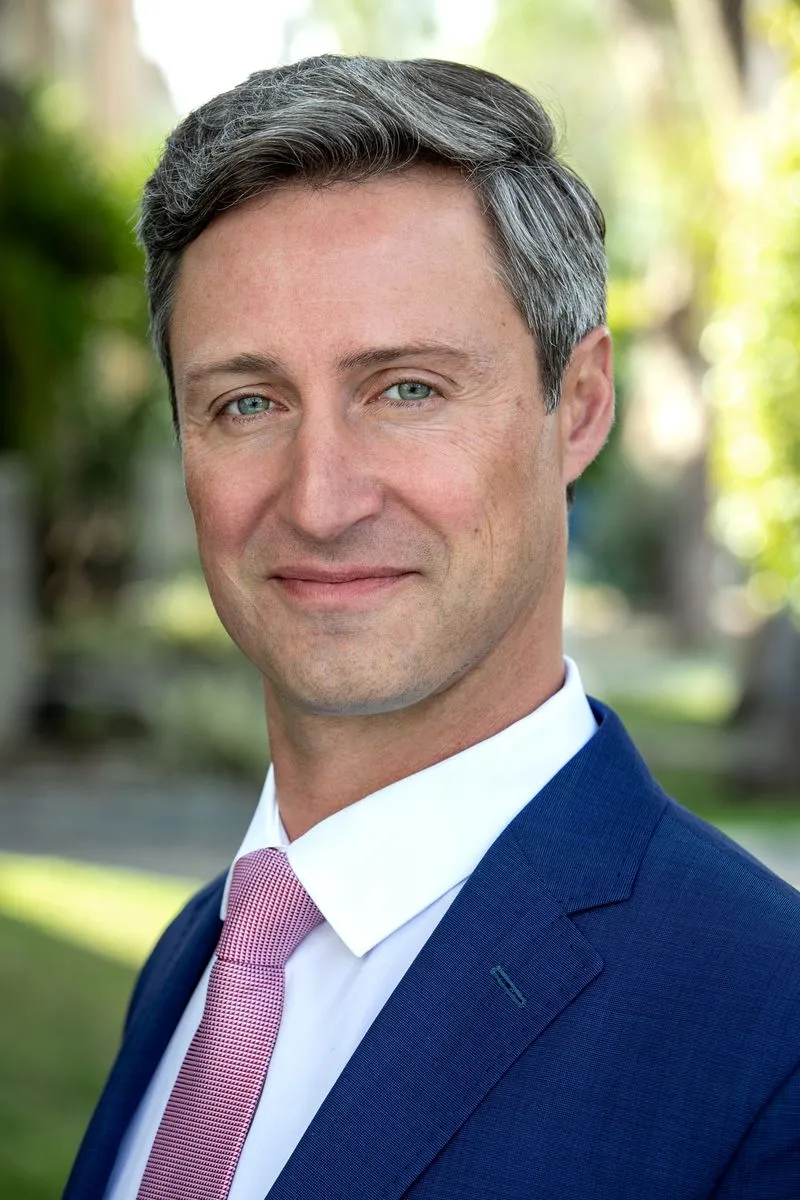
Trevor Damyan is a commercial mortgage broker at Commercial Lending Solutions with a background in structured finance at CBRE and Marcus and Millichap Capital Corporation. He specializes in bridge loans, construction financing, SBA programs, DSCR loans, and complex capital structures for investors and developers across all 50 states.
View full profile →